

Illinois delivers one of the harshest four-season climates in America — and your front door takes the full force of every one. Chicago's legendary winters drive wind chills to minus 50 with lake-effect snow that buries the city while the Hawk — the brutal wind off Lake Michigan — blasts every exposed surface at 40 to 60 mph. Summer reverses the assault with heat indices above 110 and humidity that makes wood doors swell shut. Between seasons, hail, tornadoes, and freeze-thaw cycling that exceeds 100 cycles per year work apart every joint and seal not engineered for the punishment.
Steel and iron doors aren't just an upgrade for Illinois homes — they're the rational choice for a state where wood warps through seasonal extremes, fiberglass cracks in the cold, and the constant freeze-thaw cycle progressively destroys lesser materials. Add Chicago's strict energy codes, the North Shore luxury market where Winnetka and Lake Forest homes sell for $2 to $15 million, and a historic preservation tradition that spans from Gold Coast mansions to Frank Lloyd Wright's Prairie houses, and steel is the material that handles both the climate and the architecture.
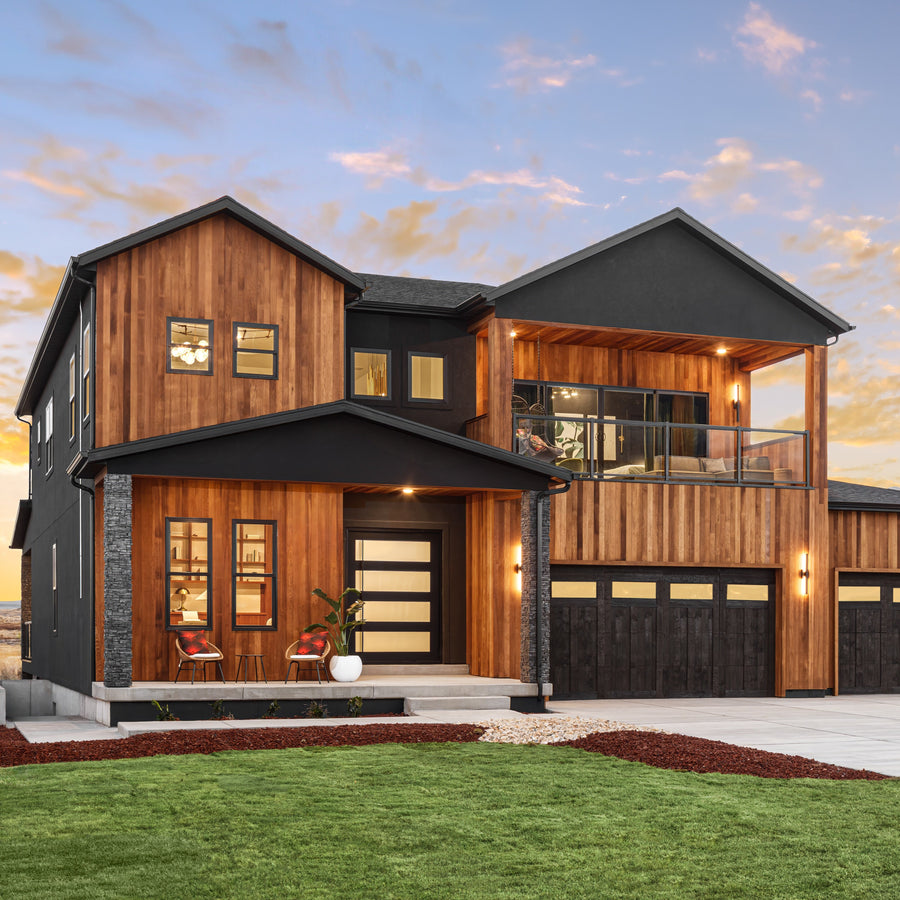
What Illinois's Climate Demands From Your Doors
Chicago and the Lakefront: Wind, Cold, and Lake Effect
The Windy City earns its name — sustained winds off Lake Michigan average 10 to 15 mph year-round, with winter gusts exceeding 50 mph that drive wind chills to minus 30 and below. The polar vortex of January 2019 pushed temperatures to minus 23 degrees with wind chills of minus 52 — colder than Antarctica. Lake-effect snow adds unpredictable accumulation to already brutal winters. Then summer delivers 95-degree heat with humidity above 70 percent. This annual 150-degree swing between winter lows and summer highs creates thermal cycling that no wood door survives without progressive warping, cracking, and seal failure. Steel doors with thermal break technology and insulating glass handle both extremes while preventing the interior condensation that plagues poorly insulated doors in Chicago's cold climate.
The North Shore and Suburbs: Lake Exposure Plus Elegance
Winnetka, Lake Forest, Highland Park, and Glencoe — the North Shore communities along Lake Michigan — experience enhanced lake-effect weather including heavier snow, stronger winds, and additional freeze-thaw cycles compared to inland suburbs. These communities also represent Illinois's most expensive residential real estate, where median prices range from $800,000 to $2 million and trophy properties exceed $10 million. At these price points, a door that shows weather damage within a few Chicago winters is unacceptable. Steel delivers the permanence these communities demand in a climate that actively destroys every organic building material.
Downstate: Tornado Alley and Temperature Extremes
Central and southern Illinois sit in the nation's tornado corridor — Springfield, Champaign, and the communities south of I-80 experience multiple severe weather events per year with tornadoes, straight-line winds, and large hail. Temperature extremes are even more pronounced than Chicago — minus 30 winter lows and 105-degree summer highs create an annual range that punishes every building material. Steel doors resist both the debris impacts from severe weather and the thermal cycling that warps wood frames within a few central Illinois seasons.
Illinois Building Codes: Why Steel Has the Advantage
Illinois Energy Conservation Code
Illinois follows the 2018 IECC, with Chicago's amendments pushing stricter. In climate zone 5A — covering the entire state — glazed doors must achieve U-factors of 0.30 or lower, among the strictest requirements in the country. Air infiltration requirements are similarly demanding. Steel doors with thermal breaks and low-E glazing packages exceed these requirements while dramatically reducing heating costs that drive Chicago winter utility bills above $400 per month in older homes.
Chicago Building Code
Chicago maintains its own building code — separate from the state's — with specific requirements for fire resistance in multi-unit residential buildings, energy performance, and structural integrity. Steel doors meet Chicago's fire ratings and energy requirements while integrating with the masonry construction that defines the city's residential architecture.
Wind Load and Structural Requirements
Illinois building codes require exterior assemblies to resist design wind speeds of 90 to 115 mph depending on location and exposure. Lake-front and high-rise installations face additional lateral load requirements. Welded steel frames resist these wind loads while maintaining the weathertight seal that keeps Chicago's winter wind from infiltrating the building envelope.
Tap any door to explore sizes, configurations, and pricing
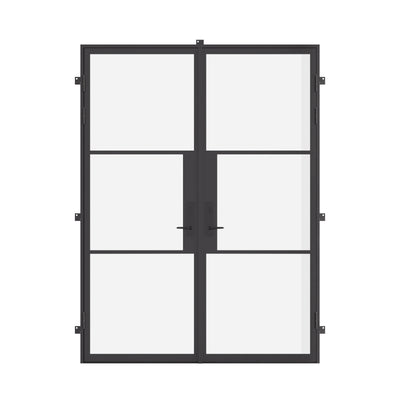
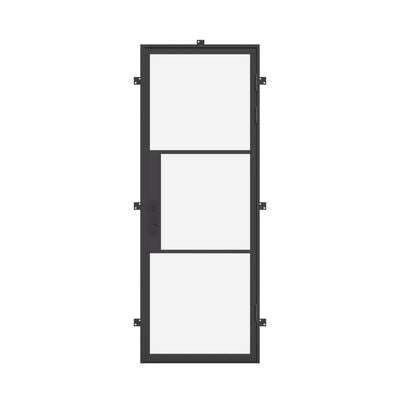
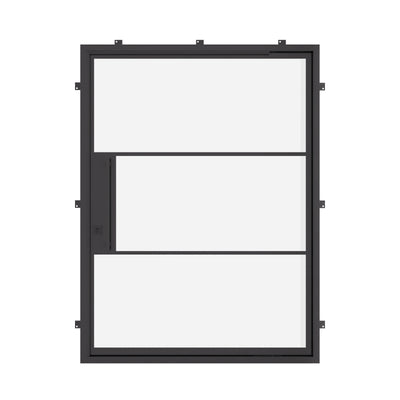
Steel Door Styles Illinois Homeowners Love
Air 4 and Air 5 Single and Double Doors — The Air 4 Double Flat defines the luxury market from Lincoln Park greystones to Winnetka estates to Hinsdale's new construction. The Air 4 Single Flat fits the renovated Victorians of Wicker Park and the Craftsman homes of Oak Park — Frank Lloyd Wright's neighborhood. The Air 5 Single Flat maximizes natural light in narrow Chicago row houses where every lumen matters during the region's short, dark winter days.
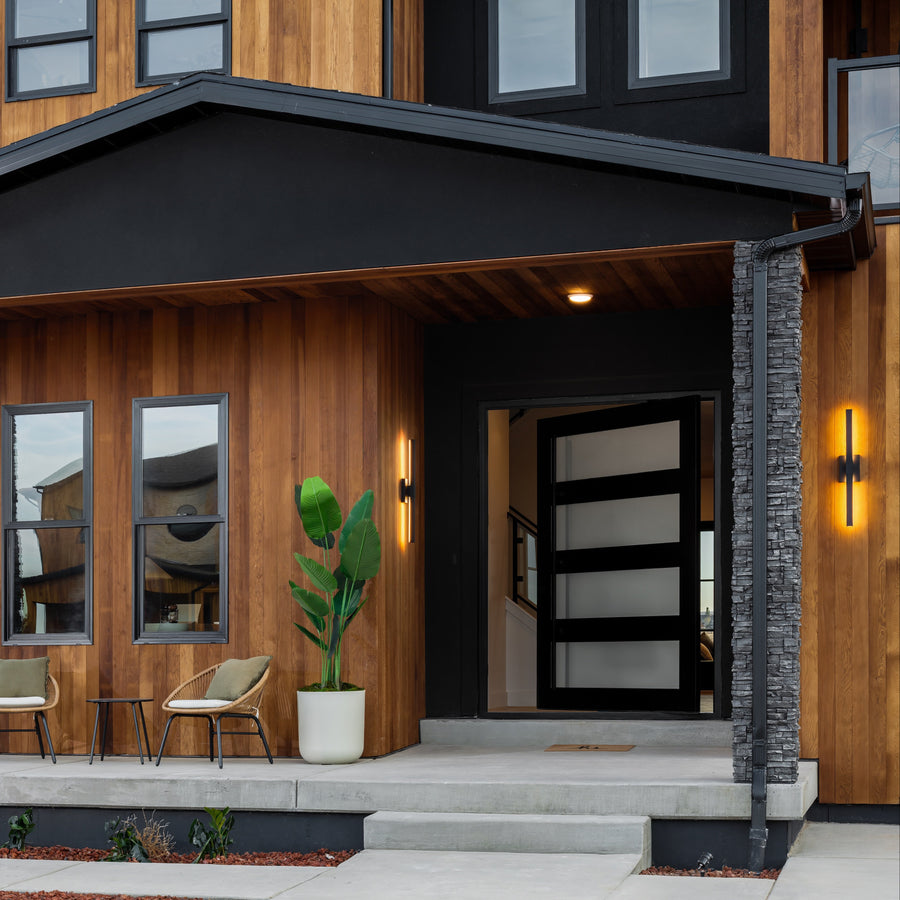
Pivot Doors — The Air 4 Pivot and Knox Pivot create dramatic entries for Illinois's luxury tier — Gold Coast mansions, Burr Ridge estates, and Lake Forest compounds. Steel pivot doors maintain operation through Chicago's extreme temperature range without the warping, swelling, and binding that destroys wood pivots by their second winter.
Iron Doors — The Air 4 Single Full Arch and Air 4 Double Full Arch honor the ornamental iron tradition of Chicago's greystones, brownstones, and historic residential neighborhoods. Iron detailing complements the limestone, brick, and detailed masonry that define the city's architectural character.
French Doors — Steel French doors open Chicago homes onto rear decks, garden patios, and the rooftop terraces that define the city's urban luxury market. Thermal break construction provides the energy performance Illinois codes demand while resisting the wind loads and freeze-thaw cycling that destroy wood French doors.
Bi-Fold and Sliding Doors — The Air 4 Bi-Fold creates the indoor-outdoor transitions that are transforming Chicago's residential architecture — rooftop terraces, rear garden walls, and the three-season rooms that extend living space in a city where warm-weather months are precious. Steel frames maintain weathertight seals through winter while opening wide for Chicago's glorious summer.
Illinois's Architectural Landscape: City by City
Chicago: America's Architecture City
Chicago's residential architecture may be the most diverse in America. The Gold Coast preserves Gilded Age mansions along Lake Shore Drive. Lincoln Park's mix of greystones, Victorians, and modern infill creates a neighborhood where $2 to $10 million homes sit on tree-lined streets. Wicker Park and Bucktown's flat-iron buildings and renovated workers' cottages define the city's creative market. The Prairie Avenue Historic District preserves the mansions of Chicago's original elite. And across the city, the humble but elegant greystone — Chicago's signature residential building type — represents the single largest restoration market. Iron doors complement the historic architecture while Air 4 and pivot doors serve the contemporary market.
The North Shore: Lake Forest to Winnetka
Lake Forest — with its Shingle Style and Tudor Revival estates designed by Howard Van Doren Shaw and David Adler — is one of Chicago's most architecturally distinguished suburbs. Winnetka's tree-lined streets showcase Colonial Revival, Tudor, and French Provincial homes. Highland Park adds mid-century modern to the mix — including several significant Mies van der Rohe and Frank Lloyd Wright works. Glencoe, Kenilworth, and Evanston extend the North Shore luxury corridor. Homes in this market routinely sell for $1.5 to $10 million, and every detail must project permanence and quality.
Oak Park: Prairie Style Birthplace
Oak Park contains the world's largest collection of Frank Lloyd Wright Prairie-style homes — including the Frank Lloyd Wright Home and Studio and Unity Temple. The village's architectural heritage also includes Queen Anne, Craftsman, and Colonial Revival homes. In this architecturally significant community, door selections are scrutinized. Steel doors in clean-lined contemporary profiles honor the Prairie tradition's emphasis on horizontal lines and natural materials, while iron doors serve the earlier architectural styles.
The Western Suburbs: Hinsdale, Naperville, and Burr Ridge
Hinsdale's grand estates on multi-acre lots represent the western suburbs' luxury peak, with homes from $1.5 to $8 million. Naperville's master-planned developments blend traditional and transitional architecture. Burr Ridge combines newer luxury construction with rolling terrain. These communities demand the same material quality as the North Shore in a slightly less extreme — but still punishing — climate.
Choosing the Right Color for Illinois Homes
Chicago Greystone and Brownstone: Matte black is the definitive choice — reading as classic and intentional against the grey and brown limestone facades that define Chicago's residential architecture. Dark bronze works for warmer-toned facades.
North Shore Traditional: Dark bronze, forest green, and deep burgundy complement the Tudor, Colonial Revival, and French Provincial styles of the North Shore. Rich, saturated tones honor the English and Continental traditions these homes reference.
Contemporary: Matte black and gunmetal define Chicago's growing contemporary market — creating bold contrast in Lincoln Park, River North, and the West Loop loft conversions.
Prairie Style: Bronze, warm charcoal, and earth tones honor Wright's emphasis on natural materials and horizontal lines. The door should feel like part of the landscape composition — not a separate element.
PINKYS uses an automotive-grade paint system that can match any color. In Chicago's punishing freeze-thaw environment — over 100 cycles per year — our coatings resist the peeling, chalking, and ice-driven damage that destroys lesser finishes within a few Illinois winters.
Why Illinois Homeowners Choose Steel
In a state where Chicago's median home price exceeds $350,000 — and surpasses $2 million on the North Shore, $3 million in Lincoln Park, and $5 million-plus on the Gold Coast — a steel door investment of $5,000 to $15,000 delivers outsized impact on curb appeal and energy performance. Steel entry doors return 188 to 216 percent ROI, and in Chicago's competitive market, the front door is the first quality signal.
Beyond resale, steel eliminates the maintenance cycle Illinois inflicts on wood — no freeze-thaw cracking, no humidity-driven swelling, no wind-driven seal failure, no annual refinishing. A steel door installed today performs through decades of Chicago winters without complaint.
Transform Your Illinois Home
Whether you're renovating a Chicago greystone, upgrading a North Shore estate, honoring Prairie heritage in Oak Park, or building contemporary in Lincoln Park, PINKYS has steel and iron doors engineered for what Illinois demands.
We ship nationwide with fast, reliable delivery — our doors handle everything from the Hawk off Lake Michigan to tornado-season straight-line winds.
Contact Our Team or call 844-843-6677


