

Ohio sits at the crossroads of every weather pattern that batters the Midwest — and your front door is the first thing each one hits. Lake Erie drives lake-effect snow that buries Cleveland under 60-plus inches per year. Tornadoes tear through the western plains. Cincinnati's Ohio River Valley humidity makes summer feel like a steam bath while winter delivers ice storms and subzero temperatures. Over 100 freeze-thaw cycles per year work apart every joint and seal across the entire state. Ohio may not look extreme on paper, but it grinds down building materials with relentless consistency.
Steel and iron doors aren't just a style choice for Ohio homes — they're the practical solution for a state where wood warps through dramatic humidity swings, cracks from constant freeze-thaw, and requires refinishing every few years to survive. Add Ohio's energy codes, a luxury market where Indian Hill and Shaker Heights homes sell for $1 to $5 million, and architectural heritage from Victorian Cleveland to German Village Columbus, and steel is the material built for Ohio's full four-season range.
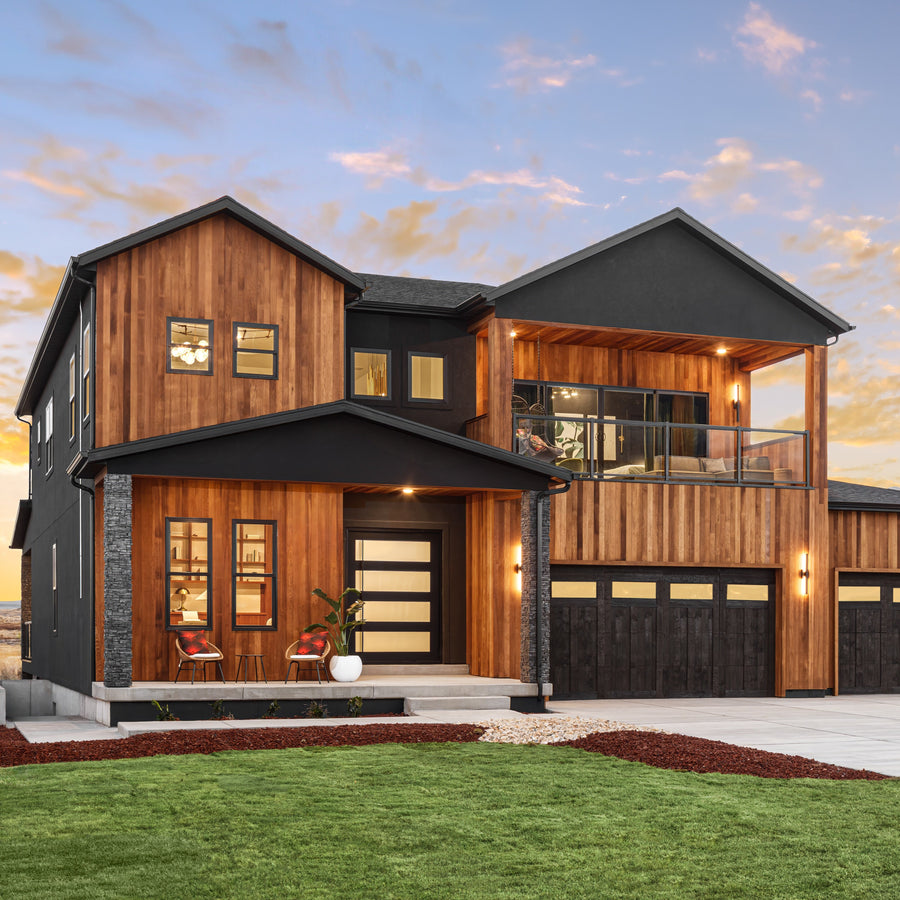
What Ohio's Climate Demands From Your Doors
Cleveland and Northeast Ohio: Lake Effect
Cleveland receives 60-plus inches of snow per year from Lake Erie, with lake-effect squalls that can dump a foot in hours. Winter wind chills drop well below zero while summer humidity from the lake exceeds 75 percent. The constant moisture-to-freeze cycling destroys wood doors progressively. Steel with thermal breaks handles both the lake humidity and the deep cold without condensation or dimensional change.
Columbus: Central Ohio Temperature Extremes
Columbus experiences the full Midwest seasonal range — 95-degree summers with high humidity, ice storms, and winter lows below zero. Daily temperature swings of 30-plus degrees through spring and fall stress every seal and joint. The rapidly growing luxury market in Dublin, Upper Arlington, and New Albany demands materials that maintain quality through these extremes.
Cincinnati: River Valley Humidity
Cincinnati sits in the Ohio River Valley — a natural humidity trap that makes summers feel tropical and winters feel bone-chilling. Summer heat indices regularly exceed 110. The valley topography creates inversions that trap moisture against building surfaces for extended periods. Indian Hill's luxury estates and Hyde Park's walkable elegance both demand doors that resist this persistent moisture assault.
Ohio Building Codes: Why Steel Has the Advantage
Ohio follows the 2018 IECC with glazed doors required to achieve U-factors of 0.30 or lower in climate zones 4 and 5. Steel with thermal breaks meets all Ohio requirements while reducing heating costs that dominate 5-month winters.
Tap any door to explore sizes, configurations, and pricing


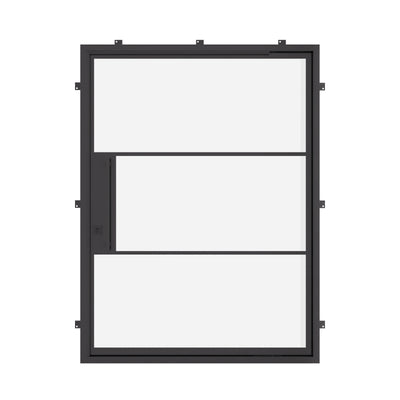
Steel Door Styles Ohio Homeowners Love
Air 4 and Air 5 Doors — The Air 4 Double Flat serves Indian Hill, Shaker Heights, Dublin, and Upper Arlington's luxury market. The Air 4 Single Flat fits the Craftsman homes of Cleveland Heights and Columbus's German Village.
Pivot Doors — Grand entries for Indian Hill estates and the lakefront properties of Bay Village and Lakewood.
Iron Doors — The Air 4 Single Full Arch and Air 4 Double Full Arch complement Cleveland's grand Shaker Heights Tudors, Cincinnati's East Walnut Hills Victorians, and the period architecture across the state.
French Doors and Bi-Fold Doors — Steel French doors and Air 4 Bi-Folds connect Ohio homes to patios, decks, and the outdoor living spaces that Ohio's warm-weather months invite.
Ohio's Architectural Landscape
Cleveland: Cultural Wealth
Shaker Heights — one of America's first planned suburban communities — preserves Tudor Revival, Colonial, and Georgian homes from $500,000 to $3 million. Gates Mills and Hunting Valley offer estate living. Cleveland Heights and Lakewood add Craftsman and Victorian character. University Circle's cultural institutions anchor one of the finest collections of period architecture in the Midwest.
Columbus: Growth Capital
Dublin, Upper Arlington, and New Albany offer $1 to $3 million homes in master-planned and established neighborhoods. German Village preserves the largest privately funded restored historic neighborhood in the nation — brick row houses from the 1800s. Bexley and Grandview Heights add walkable urban character. Columbus's rapid growth drives contemporary new construction alongside historic preservation.
Cincinnati: River City Elegance
Indian Hill — one of the wealthiest communities in the Midwest — features $1 to $5 million estates on multi-acre lots. Hyde Park and Mount Lookout offer walkable luxury. Over-the-Rhine's revitalized Italianate architecture forms one of the nation's largest intact 19th-century urban neighborhoods. The riverfront communities of Mariemont and Terrace Park add suburban charm.
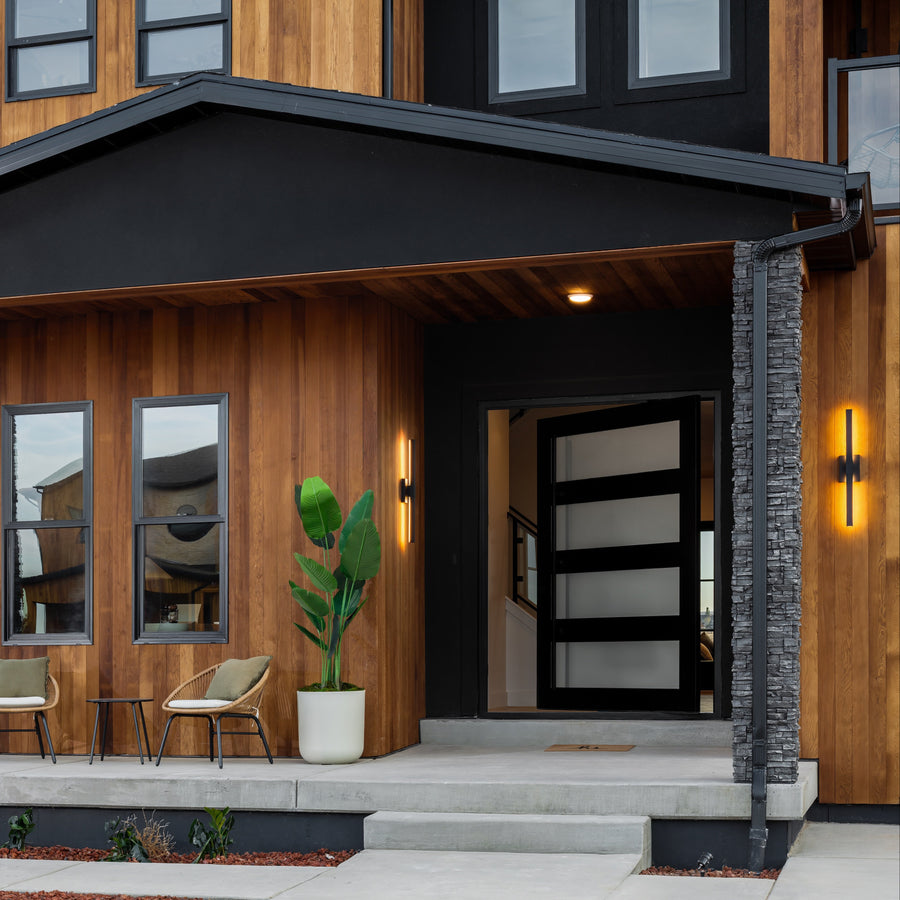
Choosing the Right Color for Ohio Homes
Traditional: Black, dark bronze, and forest green complement Tudor, Colonial, and Georgian architecture.
Contemporary: Matte black for Ohio's growing modern market in Columbus, Cleveland, and Cincinnati.
Craftsman and Victorian: Dark bronze and oil-rubbed finishes honor period architecture.
PINKYS automotive-grade coatings resist Ohio's freeze-thaw, lake humidity, and seasonal extremes.
Why Ohio Homeowners Choose Steel
In a state where Indian Hill exceeds $1.5 million median and Shaker Heights commands a premium — steel delivers outsized returns. Permanent performance eliminates the maintenance cycle Ohio's four seasons inflict on wood.
Transform Your Ohio Home
Whether you're upgrading in Indian Hill, restoring Tudor in Shaker Heights, modernizing in Dublin, or preserving in German Village, PINKYS has steel and iron doors for Ohio.
We ship nationwide — our doors handle lake-effect snow, river valley humidity, and everything between.
Contact Our Team or call 844-843-6677


