Connecticut packs the full force of New England weather into the nation's wealthiest state per capita — and your front door faces all of it. Nor'easters dump feet of snow while driving salt spray miles up Long Island Sound. The 2011 Halloween snowstorm brought 80 mph winds and 30 inches of heavy, wet snow that snapped trees and power lines across the state. Hurricane Sandy's storm surge devastated Fairfield County's coast. And the 100-plus freeze-thaw cycles per year progressively destroy every building material not engineered for Connecticut's demanding four-season climate.
Steel and iron doors aren't just a design choice for Connecticut homes — they're the engineering solution for a state where wood warps through seasonal humidity swings, cracks from freeze-thaw cycling, and requires constant maintenance to survive. Add Connecticut's strict energy codes, one of the nation's wealthiest housing markets where Greenwich estates trade for $5 to $30 million, and a colonial architectural heritage that demands period-appropriate materials, and steel delivers both the performance and the prestige Connecticut homeowners expect.
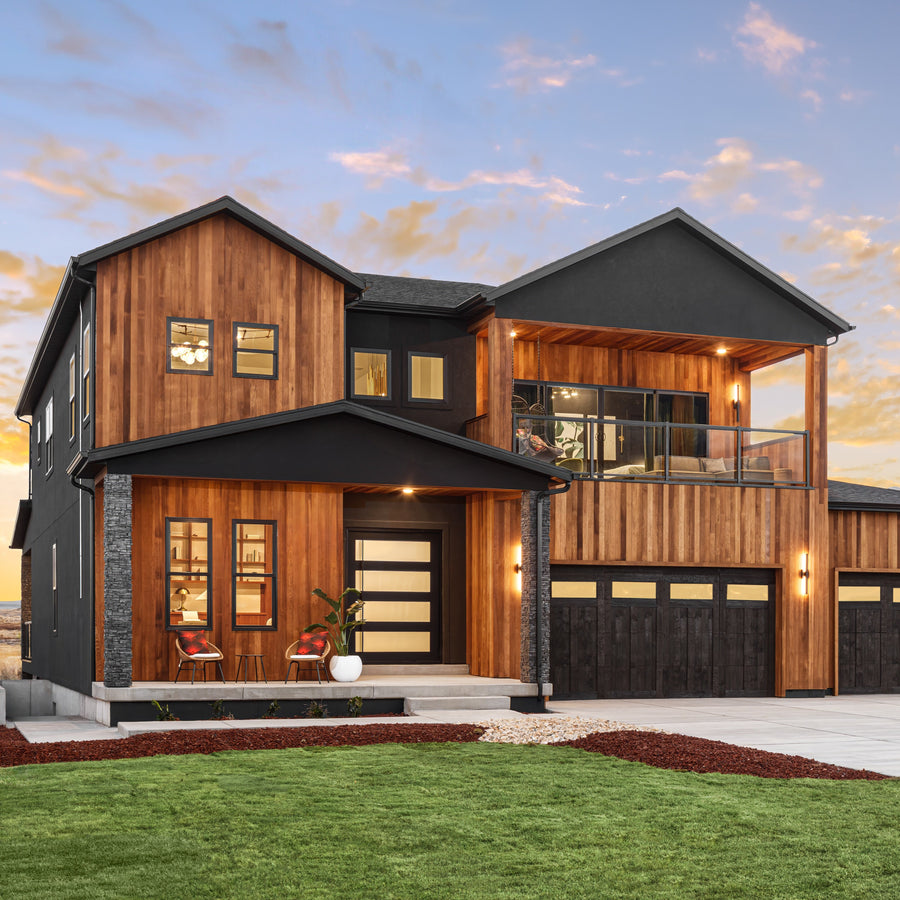
What Connecticut's Climate Demands From Your Doors
The Gold Coast: Coastal Exposure and Wealth
Greenwich, Darien, New Canaan, and Westport — Connecticut's Gold Coast — combine Long Island Sound exposure with the highest concentration of residential wealth in the country. Salt air from the Sound, nor'easter winds, and hurricane-force storm surges (Sandy hit Connecticut with a 9-foot surge) test every exterior surface. Summer humidity above 75 percent alternates with winter wind chills below zero. Steel with marine-grade coatings handles the coastal assault while projecting the quality that $5 to $30 million properties demand.
The Farmington Valley and Litchfield Hills: Suburban and Rural Elegance
Avon, Simsbury, and the Farmington Valley combine suburban luxury with genuine New England seasonal extremes — hot humid summers, cold snowy winters, and over 100 freeze-thaw cycles per year. The Litchfield Hills add elevation and ice storms to the equation. Wood doors in these communities require refinishing every 2-3 years. Steel eliminates the maintenance cycle.
Connecticut Building Codes: Why Steel Has the Advantage
State Building Code
Connecticut follows the 2021 International Building Code with strict energy amendments. Glazed doors must achieve U-factors of 0.30 or lower statewide (zone 5A). The Stretch Code provisions push toward even greater efficiency. Steel with thermal breaks meets all requirements.
Coastal Flood Requirements
Post-Sandy code amendments require enhanced structural performance for coastal construction. Steel doors meet impact and flood zone requirements along the entire Sound coast.
Tap any door to explore sizes, configurations, and pricing
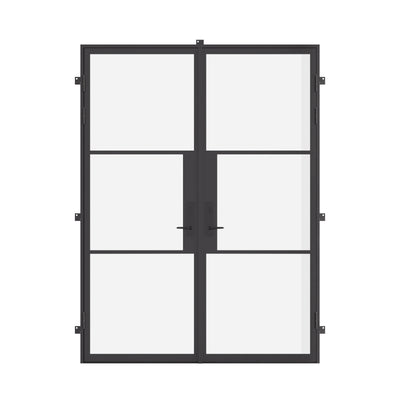
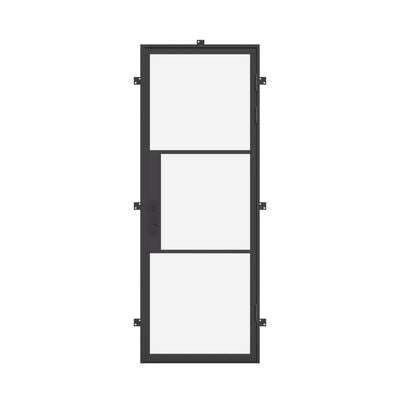
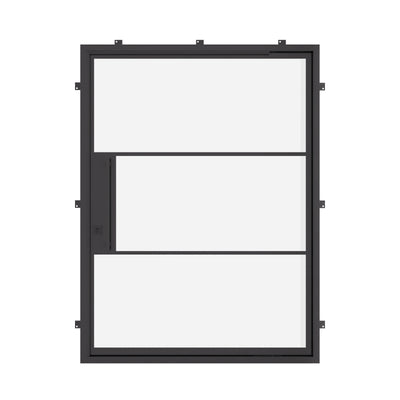
Steel Door Styles Connecticut Homeowners Love
Air 4 and Air 5 Doors — The Air 4 Double Flat serves Greenwich, New Canaan, and Westport's luxury market. The Air 4 Single Flat fits the Colonial and Craftsman renovations across the state.
Pivot Doors — Grand entries for backcountry Greenwich estates and contemporary waterfront builds.
Iron Doors — The Air 4 Single Full Arch and Air 4 Double Full Arch complement Connecticut's Colonial, Georgian, and Tudor heritage.
French Doors — Steel French doors open Connecticut homes to gardens, terraces, and Sound-view decks with thermal performance and coastal resistance.
Bi-Fold and Sliding Doors — The Air 4 Bi-Fold creates indoor-outdoor transitions for waterfront and suburban properties.
Connecticut's Architectural Landscape
Greenwich and the Gold Coast
Greenwich — with $5 to $30 million estates on multi-acre lots in backcountry — represents some of the most expensive residential real estate in America. Darien, New Canaan, and Westport extend the Gold Coast luxury corridor. Architecture ranges from Colonial Revival and Georgian to contemporary — all demanding entries that project permanent quality.
The Farmington Valley
Avon, Simsbury, West Hartford, and Glastonbury offer $1 to $5 million suburban luxury with Colonial, Tudor, and contemporary architecture on tree-lined streets.
Litchfield Hills
Washington, Salisbury, and Roxbury attract $1 to $5 million properties that combine rural New England charm with sophisticated design — restored farmhouses, converted barns, and contemporary glass pavilions in rolling countryside.
New Haven and the Shore
The communities along the Connecticut shore from Madison to Mystic offer waterfront living with historic architecture — Colonial homes, captains' houses, and contemporary builds that require both salt air resistance and period-appropriate aesthetics.
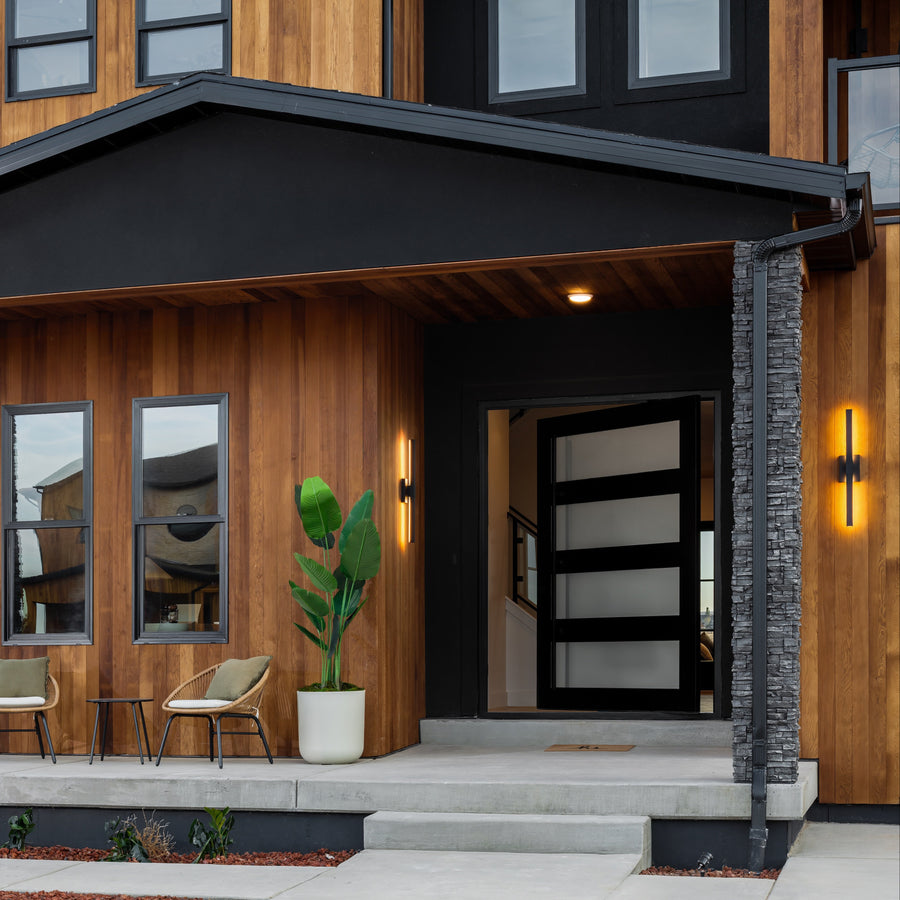
Choosing the Right Color for Connecticut Homes
Colonial and Georgian: Black and dark bronze — historically authentic and expected on Connecticut's traditional architecture. Classic against white clapboard, brick, and stone.
Contemporary: Matte black creates bold contrast on the Gold Coast's growing contemporary market.
Coastal: Soft grays and weathered tones complement shingle-style architecture. Marine-grade coatings resist Sound salt air.
Tudor and English: Dark bronze, forest green, and burgundy honor the English traditions in Fairfield and Hartford Counties.
PINKYS automotive-grade coatings resist Connecticut's freeze-thaw, salt air, and UV — permanent performance through New England's most demanding climate.
Why Connecticut Homeowners Choose Steel
In the nation's wealthiest state per capita — where Greenwich's median exceeds $1.5 million and trophy properties trade for $10 to $30 million — a steel door investment of $5,000 to $15,000 delivers outsized impact. Steel eliminates freeze-thaw maintenance, salt air corrosion, and annual refinishing. Permanent performance through New England's extremes.
Transform Your Connecticut Home
Whether you're upgrading a Greenwich estate, restoring Colonial in New Canaan, building waterfront in Westport, or modernizing in Litchfield, PINKYS has steel and iron doors engineered for Connecticut.
We ship nationwide — our doors handle nor'easters, coastal storms, and four brutal seasons.
Contact Our Team or call 844-843-6677