

Georgia combines everything that destroys doors into one state. Atlanta's summer heat indices exceed 110 degrees while ice storms shut down the city in winter. Savannah's subtropical humidity stays above 80 percent for months, turning wood doors into swollen, mold-covered liabilities. The coast takes hurricane hits. The mountains get snow. And across the entire state, termites cause more property damage than any natural disaster — Georgia ranks among the highest-risk termite states in the nation. Your front door has to survive all of it.
Steel and iron doors aren't just a style upgrade for Georgia homes — they're the engineering answer to a state where wood rots in the humidity, warps through seasonal temperature swings, and gets eaten from the inside by subterranean termites. Add growing energy code requirements, coastal windstorm ratings, and a luxury market where Buckhead mansions sell for $3 to $15 million and Sea Island properties exceed $10 million, and steel stops being an option and starts being the obvious choice for homeowners who are done replacing wood doors every few years.
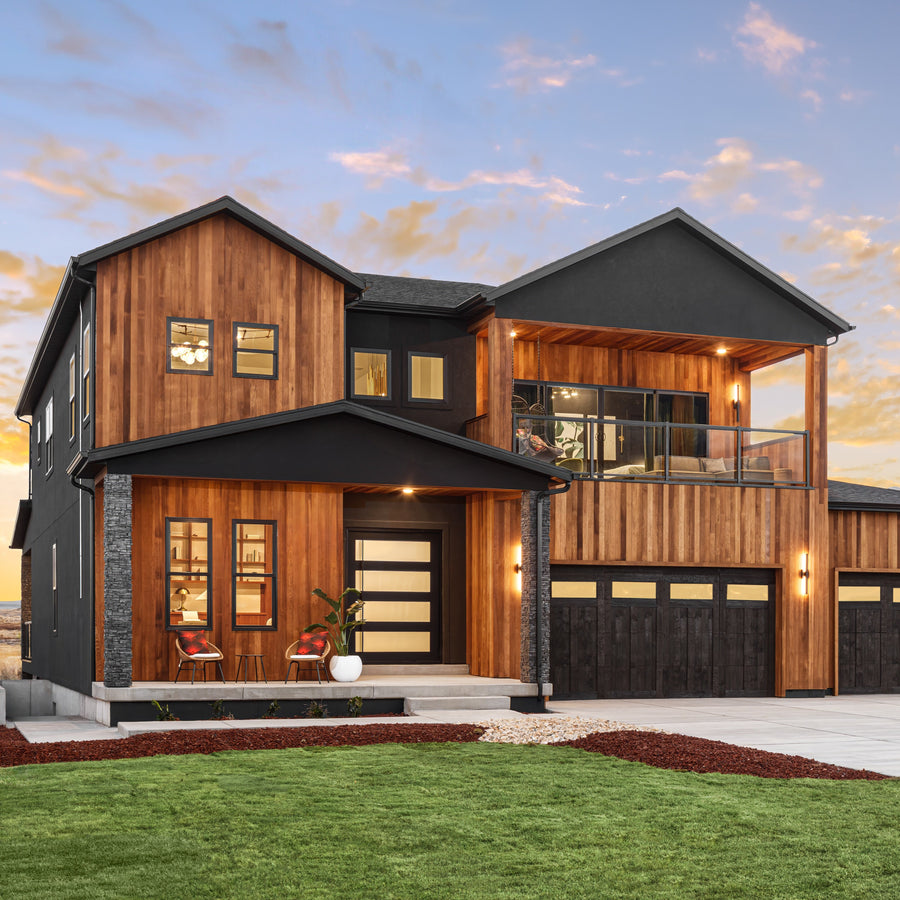
What Georgia's Climate Demands From Your Doors
Atlanta Metro: Heat, Humidity, and Ice Storms
Atlanta's summers are punishing — temperatures routinely hit 95 to 100 degrees with humidity above 70 percent, creating heat indices above 110 that persist for months. The combination of heat and moisture accelerates mold growth on every organic surface. Then winter delivers a different threat — Atlanta's ice storms, which occur every few years with devastating effect, coat every surface in ice that works into joints, seals, and wood grain. The 2014 ice storm paralyzed the metro for days. This cycle of extreme humidity followed by freeze events creates thermal and moisture stress that warps wood doors, cracks rigid seals, and progressively degrades fiberglass. Steel doors with powder-coated finishes and thermal break technology handle both extremes without dimensional change, mold growth, or seal failure.
Savannah and the Coast: Subtropical Humidity and Hurricanes
Savannah averages relative humidity above 75 percent year-round, spiking above 90 percent on summer mornings. The air is so moisture-laden that every organic surface — wood, paint, fabric — degrades visibly within months of exposure. Hurricane Matthew in 2016 hit the Georgia coast with tropical storm-force winds and a 10-foot storm surge on Tybee Island. Hurricane Irma in 2017 caused over $200 million in Georgia damage. Salt air penetrates miles inland from the coast, corroding unprotected metal and accelerating wood decay. In Savannah's historic district, where preservation standards require period-appropriate materials, steel and iron doors deliver the authentic aesthetic while providing the moisture and corrosion resistance that this environment demands from every exterior surface.
North Georgia Mountains: Cold Winters and Elevation
The Blue Ridge Mountains in north Georgia experience genuine mountain weather — winter temperatures in the teens and single digits, significant snowfall, and ice storms that create sustained freeze conditions. The community of Blue Ridge, Ellijay, and the resort areas around Big Canoe combine mountain living with growing luxury development. Daily temperature swings of 30-plus degrees through spring and fall create thermal cycling that warps wood frames. At elevation, UV intensity increases, accelerating finish degradation on southern exposures. Steel doors with thermal breaks handle both the cold and the cycling while maintaining the mountain-lodge aesthetic these communities demand.
South Georgia and the Coastal Plain: Year-Round Heat and Termites
South Georgia rarely drops below 40 degrees but routinely exceeds 100 in summer, with humidity that makes it feel 10 to 15 degrees hotter. Valdosta, Albany, and the agricultural communities of the Coastal Plain experience year-round warmth and moisture that create ideal conditions for Georgia's most destructive pest — the eastern subterranean termite. Georgia is in the highest-risk termite zone in the continental United States, and the annual property damage from termites statewide exceeds that of fires, floods, and tornadoes combined. Steel eliminates termite risk entirely — a permanent solution to Georgia's most persistent building material threat.
Georgia Building Codes: Why Steel Has the Advantage
Georgia Energy Code
Georgia has adopted the 2015 IECC with amendments, requiring glazed doors to meet U-factor and SHGC requirements across the state's climate zones 2 through 4. In the Atlanta metro (zone 3A), doors must achieve U-factors of 0.35 or lower with solar heat gain coefficients of 0.25 or lower to reduce cooling loads in a region where air conditioning runs 6 to 8 months per year. In the mountain zone 4, requirements tighten for winter heating performance. Standard aluminum doors fail these requirements because aluminum conducts heat too readily. Steel doors with thermal breaks and low-E glazing packages meet all Georgia climate zone requirements while reducing the energy costs that drive summer utility bills above $250 per month across the metro.
Coastal Windstorm Requirements
Georgia's coastal building code requires exterior doors in windstorm-prone areas to resist design wind speeds of 130 mph or higher — reflecting the hurricane exposure that Savannah, Tybee Island, the Golden Isles, and St. Marys face. Impact resistance testing and cyclic pressure requirements apply to doors in these zones. Steel doors with impact-rated glazing and welded frames meet these wind and impact requirements, providing the structural integrity coastal Georgia homeowners need without the corrosion vulnerability of standard hardware and finishes. Marine-grade powder coatings resist the salt air that degrades every exposed surface along Georgia's 100 miles of coastline.
Fire Resistance
While Georgia's WUI codes are less extensive than western states, the growing development in north Georgia's forested mountain communities is driving adoption of fire-resistant building requirements. Drought conditions — increasingly common as climate patterns shift — elevate wildfire risk in areas that historically didn't face it. Steel is inherently noncombustible and provides fire ratings that exceed code requirements in any Georgia jurisdiction, providing a permanent safety advantage regardless of how codes evolve.
Tap any door to explore sizes, configurations, and pricing

Steel Door Styles Georgia Homeowners Love
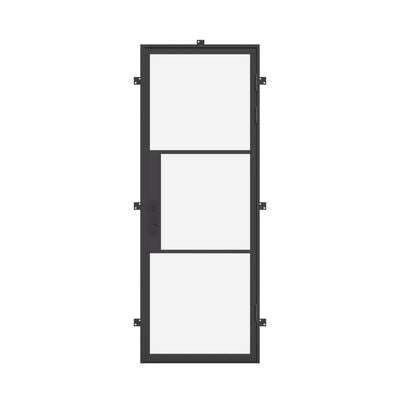
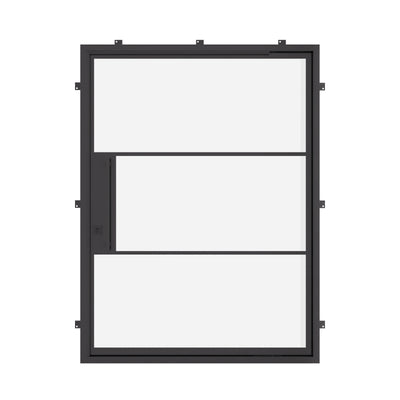
Air 4 and Air 5 Single and Double Doors — Full glass panels with slim steel frames bring natural light into Georgia's grand entries. The Air 4 Double Flat is the entry defining new construction in Buckhead's Tuxedo Park and Ansley Park — where the front door must match $3 to $10 million price points. The Air 4 Single Flat fits the renovated Craftsman bungalows of Inman Park and Virginia-Highland and the modern farmhouses spreading across North Georgia. The Air 5 Single Flat maximizes glass for entries shaded by porches — an essential feature in Georgia architecture. Steel frames resist the humidity-driven swelling and termite damage that destroy wood entries across the state.
Pivot Doors — The statement entry for Georgia's luxury market. The Air 4 Pivot and Knox Pivot create the dramatic double-height entries that Buckhead estates, Sea Island retreats, and Lake Oconee properties demand. In Atlanta's competitive luxury market — where Tuxedo Park and West Paces Ferry homes routinely exceed $5 million — the pivot entry creates the arrival experience that sets expectations for everything behind the door. Steel pivots maintain operation through Georgia's humidity without the swelling and binding that plagues wood pivot doors by their first summer.
Iron Doors — Wrought iron is architecturally native to Georgia's Southern architectural traditions — from the ornamental ironwork of Savannah's historic squares to the gates of Atlanta's grand estates. The Air 4 Single Full Arch and Air 4 Double Full Arch honor this tradition with arched detailing that complements the columns, porticos, and decorative metalwork signature to Georgia's most prestigious homes and historic districts.
French Doors — The Southern porch and veranda tradition makes French doors essential to Georgia architecture. Whether opening onto a wraparound porch in Savannah's historic district, a flagstone terrace in Buckhead, or a screened porch overlooking Lake Burton, steel French doors deliver the elegant proportions and expansive glass the lifestyle requires while providing the thermal performance and humidity resistance that Georgia's climate demands.
Bi-Fold and Sliding Doors — The Air 4 Bi-Fold stacks its steel panels to create the indoor-outdoor transitions that Georgia's nine months of warm weather invite. Popular in contemporary Atlanta homes where covered outdoor living rooms extend the floor plan, coastal homes on the Golden Isles where ocean breezes define the lifestyle, and mountain retreats where deck access captures long-range Blue Ridge views. Steel frames resist the humidity-driven swelling and mold that destroy wood and aluminum bi-fold systems in Georgia's subtropical environment.
Georgia's Architectural Landscape: City by City
Atlanta: From Antebellum to Contemporary Luxury
Buckhead is Atlanta's architectural crown — Tuxedo Park and West Paces Ferry Road preserve some of the South's grandest estates, where $5 to $15 million properties blend traditional Southern architecture with modern luxury. Ansley Park's walkable streets showcase Craftsman, Tudor Revival, and Colonial homes. Inman Park — Atlanta's first planned suburb — preserves Victorian cottages alongside contemporary renovations. Virginia-Highland's Craftsman bungalows are among the city's most sought-after homes. Druid Hills, designed by Frederick Law Olmsted, offers grand Colonial Revival and Tudor estates. Contemporary new construction in Midtown and along the BeltLine is redefining Atlanta's urban residential market. Iron doors serve the traditional estates while Air 4 and pivot doors dominate the contemporary tier.
Savannah: Living History
Savannah's historic district — laid out in James Oglethorpe's original 1733 grid of public squares — is one of the largest National Historic Landmark Districts in the United States. Federal, Regency, Victorian, and Italianate row houses line the squares, with ornamental ironwork on balconies, gates, and railings that defines the city's visual character. The Historic Review Board governs all exterior changes in the district, making period-appropriate materials essential. Iron doors with arched tops and decorative detailing are historically authentic in Savannah and complement the existing ironwork vocabulary. In the newer luxury developments of Isle of Hope and Skidaway Island, contemporary steel and glass entries serve the coastal-modern market.
The Golden Isles: Coastal Luxury
Sea Island — one of America's most exclusive resort communities — anchors Georgia's coastal luxury market, where homes routinely sell for $3 to $15 million and the architecture blends coastal Georgian elegance with contemporary amenities. St. Simons Island offers a broader market from $500,000 to $5 million, with architectural styles ranging from raised coastal cottages to Mediterranean-inspired estates. Jekyll Island's historic district preserves Gilded Age "cottages" — mansions built by Rockefellers, Vanderbilts, and Morgans. In all these communities, salt air corrosion resistance is non-negotiable, and steel doors with marine-grade powder coatings outperform every alternative on Georgia's barrier islands.
North Georgia Mountains: Rustic Luxury
Big Canoe — a gated mountain community north of Atlanta — combines 8,000 acres of forested mountain property with luxury homes ranging from $500,000 to $3 million. Blue Ridge, Ellijay, and Jasper are attracting Atlanta's weekend-home market with rustic contemporary cabins and mountain lodge-style homes. Lake Burton, Lake Rabun, and the Highlands area share the luxury mountain market with neighboring North Carolina. In these communities, the architecture combines heavy timber framing, native stone, and mountain views — an aesthetic where iron doors with rustic detailing or steel doors with warm finishes complement the natural materials and forested setting.
Augusta: Tradition and Prestige
Augusta's prestige extends beyond the Masters — the Summerville neighborhood and the historic Hill district preserve some of Georgia's finest antebellum and Victorian architecture. West Lake, a premier gated community, offers luxury in a contemporary setting. The city's blend of Southern tradition and modern development creates demand for both iron doors that honor the historic character and contemporary steel entries that serve the growing luxury market.
Choosing the Right Color for Georgia Homes
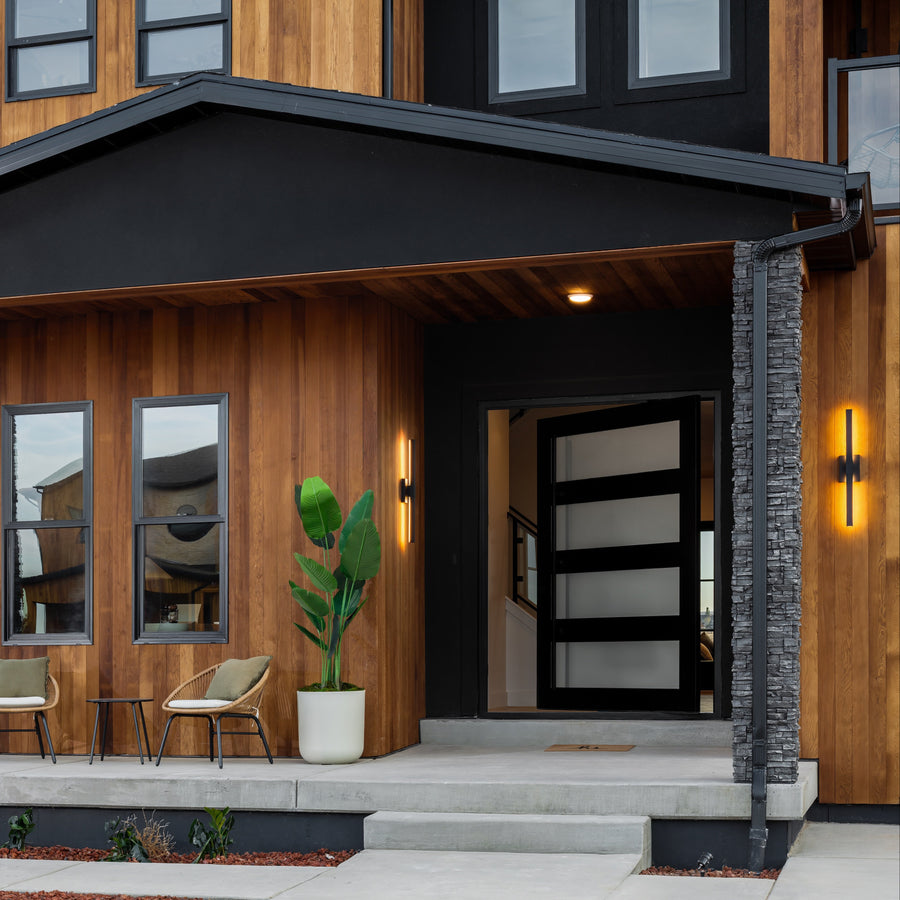
Traditional Southern: Wrought iron black is the definitive color for Georgia's grand Southern homes — it reads as classic, authoritative, and timeless against white columns, brick, and painted clapboard. Dark bronze adds warmth for homes with natural wood and stone elements. In Savannah's historic district, iron door colors should complement the existing balcony and gate ironwork — typically black or very dark bronze.
Modern and Contemporary: Matte black dominates Atlanta's contemporary luxury market — creating bold contrast against lighter walls in Buckhead's new builds, Midtown's urban residences, and BeltLine-adjacent modern homes. Gunmetal and dark charcoal work for homes with cooler material palettes. The door should create a deliberate focal point against the facade.
Coastal: Lighter steel finishes, white, and soft gray tones complement Georgia's coastal homes without competing with marsh and ocean views. Warm whites and sand tones work better than stark white in the Golden Isles' gentle light. Marine-grade powder coatings in these lighter shades resist the relentless salt air that corrodes lesser finishes within months.
Craftsman and Victorian: Dark bronze, oil-rubbed finishes, and deep earthy tones honor the architectural traditions of Inman Park, Virginia-Highland, and Augusta's historic districts. Forest green, deep burgundy, and iron oxide complement the brick, stone, and detailed woodwork that define Georgia's historic neighborhoods.
Mountain Rustic: Dark bronze and weathered iron finishes complement the timber, stone, and natural materials of North Georgia mountain architecture. Deep warm tones blend with the hardwood forests and native stone that characterize the Blue Ridge foothills rather than competing with mountain views.
PINKYS uses an automotive-grade paint system that can match virtually any color specification. In Georgia's high-humidity, high-UV environment, finish durability is critical — our coatings resist the mildew, fading, and moisture-driven failure that destroy lesser finishes within a few Georgia summers.
Why Georgia Homeowners Choose Steel
In a state where the Atlanta metro median home price exceeds $400,000 — and routinely surpasses $5 million in Buckhead, $3 million on Sea Island, and $1 million in Savannah's historic district — a steel door investment of $5,000 to $15,000 represents a fraction of property value with outsized impact on curb appeal, termite protection, and perceived quality. Steel entry doors return 188 to 216 percent ROI according to industry data, and in Georgia's competitive luxury market where Southern elegance demands premium finishes, the front door sets the standard for the entire home.
Beyond resale, steel doors eliminate the maintenance cycle that Georgia's climate inflicts on wood — no annual refinishing as humidity and UV destroy the finish, no swelling and sticking through summer, no mold growth, no ice storm damage, and no termite risk. In a state where termites cause more property damage than storms, the termite immunity alone justifies the investment. A steel door installed today will outlast the next three wood doors, performing through Georgia's brutal summers, ice storms, and hurricane seasons without complaint.
Transform Your Georgia Home
Whether you're restoring in Savannah's historic district, building luxury in Buckhead, upgrading coastal on Sea Island, modernizing a Craftsman in Inman Park, or mountain-proofing in Big Canoe, PINKYS has steel and iron doors engineered specifically for what Georgia demands.
We ship nationwide with fast, reliable delivery — and our doors are built to handle everything Georgia throws at them, from subtropical humidity to coastal hurricanes to the termites that make wood a temporary material.
Contact Our Team or call 844-843-6677


