

Virginia spans from Atlantic hurricane country to Appalachian mountain weather — and everything in between tries to destroy your front door. Norfolk takes direct hurricane hits with storm surges flooding historic neighborhoods. Richmond bakes in 100-degree summers with humidity above 80 percent. The Shenandoah Valley freezes in winter while Blue Ridge communities measure snow in feet. And across the entire state, over 100 freeze-thaw cycles per year progressively degrade every material not engineered for Virginia's full seasonal range.
Steel and iron doors aren't just a design choice for Virginia homes — they're the engineering solution for a state where wood rots in Tidewater humidity, warps through Piedmont temperature swings, and gets eaten by termites from Virginia Beach to Alexandria. Add coastal windstorm requirements, Virginia's energy code, and a luxury market where McLean and Great Falls estates sell for $3 to $15 million and Virginia Beach oceanfront exceeds $5 million, and steel is the material that performs from the coast to the mountains.
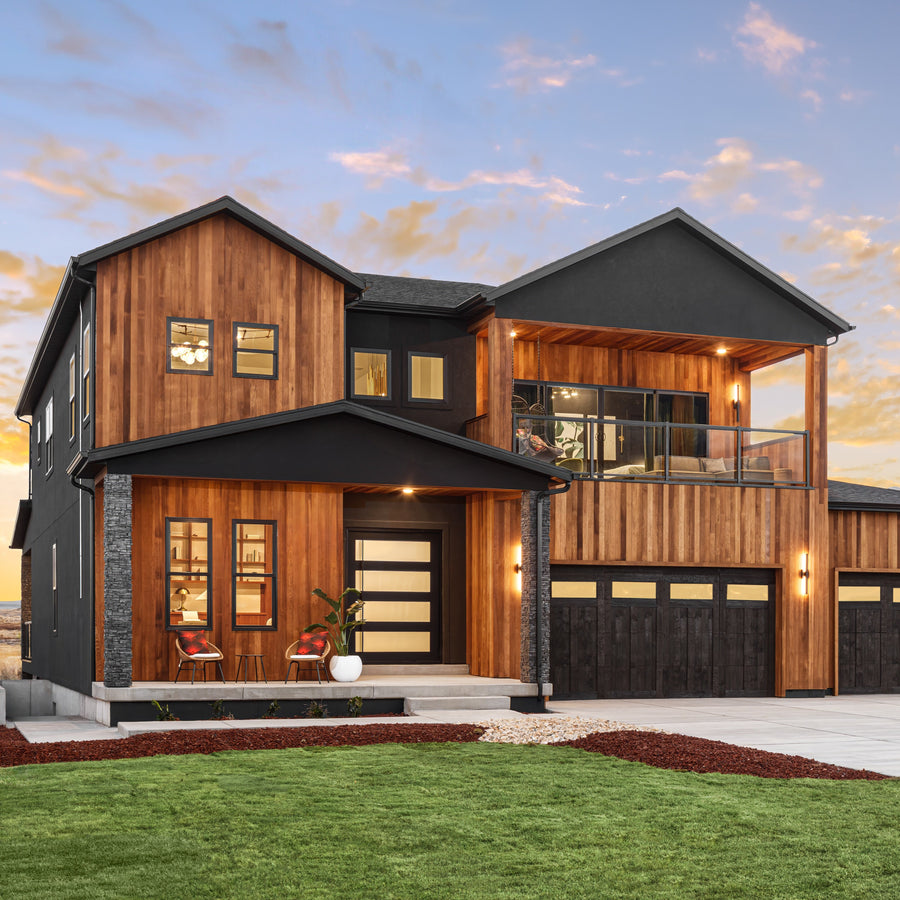
What Virginia's Climate Demands From Your Doors
Tidewater and Hampton Roads: Hurricanes, Humidity, and Rising Seas
Norfolk is the most flood-vulnerable major city on the East Coast — sea levels have risen 18 inches since 1930, and nuisance flooding now occurs over 10 days per year even without storms. Hurricane Isabel in 2003 drove a 9-foot storm surge into downtown Norfolk and Hampton. Year-round humidity above 75 percent, salt air from the Chesapeake Bay and Atlantic, and subtropical summer heat combine to create conditions where wood doors swell, rot, and grow mold within seasons. Steel with marine-grade hardware and powder-coated finishes resists this environment permanently.
Northern Virginia: Suburban Extremes Near the Capital
The DC suburbs of McLean, Great Falls, and Fairfax experience summer temperatures above 100 with humidity pushing heat indices to 115, followed by winter ice storms and temperatures in the teens. The annual thermal cycling warps wood frames and cracks rigid seals. Northern Virginia's proximity to the Chesapeake adds moisture to an already humid climate. At the same time, this is one of America's wealthiest regions — median household income in Fairfax County exceeds $130,000, and the luxury market demands materials that project permanence through the region's four-season assault.
The Blue Ridge and Shenandoah: Mountain Weather
Virginia's mountain communities — Charlottesville's nearby Blue Ridge estates, the ski areas around Wintergreen, and the Shenandoah Valley towns of Staunton and Lexington — experience genuine mountain weather. Winter temperatures drop below zero, snow accumulates significantly, and the temperature differential between a heated interior and a cold exterior creates condensation problems on poorly insulated doors. At elevation, UV intensity increases, accelerating finish degradation. Steel with thermal breaks eliminates condensation while resisting altitude UV.
Virginia Building Codes: Why Steel Has the Advantage
Virginia Uniform Statewide Building Code
Virginia follows the 2018 International Building Code with amendments. Energy requirements mandate U-factors of 0.32 or lower for glazed doors in climate zones 4 and 5. Coastal windstorm provisions in the Tidewater region require impact resistance for exterior openings in windborne debris zones. Steel doors with thermal breaks and low-E glazing meet both energy and wind requirements statewide.
Flood Zone Construction
Norfolk, Virginia Beach, and Hampton Roads communities enforce strict flood zone construction requirements post-Isabel. Doors in flood-prone areas must resist water intrusion, wind loads, and debris impact simultaneously. Welded steel frames provide the structural integrity these requirements demand.
Tap any door to explore sizes, configurations, and pricing
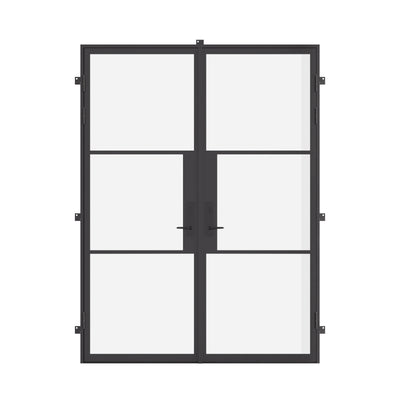
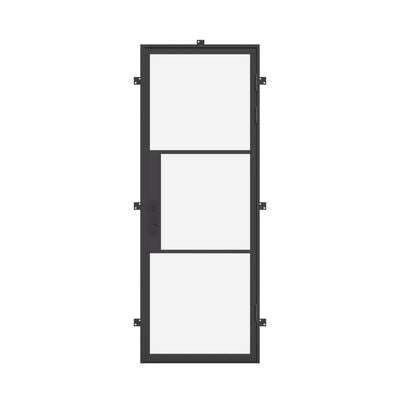
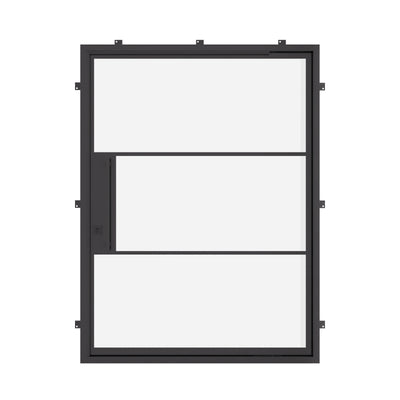
Steel Door Styles Virginia Homeowners Love
Air 4 and Air 5 Single and Double Doors — The Air 4 Double Flat serves the luxury market from McLean to Virginia Beach — grand entries that project quality. The Air 4 Single Flat fits Colonial renovations in Alexandria's Old Town and modern farmhouses across the Piedmont.
Pivot Doors — The Air 4 Pivot and Knox Pivot create dramatic entries for Great Falls estates and the contemporary builds transforming Tysons Corner and Arlington's waterfront.
Iron Doors — The Air 4 Single Full Arch and Air 4 Double Full Arch honor Virginia's Colonial and Georgian architectural heritage — from Mount Vernon's influence in Alexandria to Richmond's Monument Avenue to Williamsburg's living history. Iron doors provide the period-appropriate aesthetic while delivering modern energy and moisture performance.
French Doors — Virginia's porch and garden traditions make French doors essential — connecting interiors to the terraces, gardens, and outdoor rooms that define Virginia residential living from the Blue Ridge to the Bay.
Bi-Fold and Sliding Doors — The Air 4 Bi-Fold opens homes onto Virginia's outdoor living spaces — covered patios in Northern Virginia, waterfront decks on the Chesapeake, and mountain terraces in the Blue Ridge.
Virginia's Architectural Landscape: Region by Region
Northern Virginia: Capital Region Wealth
McLean and Great Falls — Virginia's most expensive communities — feature $3 to $15 million estates on multi-acre lots with views of the Potomac. The architecture ranges from Georgian and Colonial Revival to contemporary — all demanding entries that project the quality these price points require. Alexandria's Old Town preserves 18th-century brick row houses where period-appropriate iron doors maintain historic character. Fairfax and Loudoun Counties offer luxury in newer master-planned communities.
Richmond: Capital Elegance
Monument Avenue's grand mansions — among the finest residential boulevards in the South — showcase Tudor Revival, Georgian, and Colonial architecture at $1 to $5 million. The Fan District's Victorian row houses represent one of the nation's best-preserved examples of the style. Church Hill's Federal-era homes overlook the James River. Windsor Farms and River Road combine suburban estate living with architectural distinction.
Virginia Beach and Hampton Roads: Coastal Living
Virginia Beach's North End and Sandbridge offer oceanfront luxury from $1 to $8 million where hurricane ratings are mandatory and salt air resistance is non-negotiable. Norfolk's Ghent neighborhood preserves early 20th-century architecture in a walkable urban setting. Williamsburg combines Colonial heritage tourism with modern luxury living.
Charlottesville and the Blue Ridge
Charlottesville's proximity to the University of Virginia and the Blue Ridge draws a sophisticated market where $1 to $5 million estates blend Virginia's agrarian tradition with contemporary design. Ivy and Free Union offer rural luxury, while Wintergreen and Staunton provide mountain living with cultural access.
Choosing the Right Color for Virginia Homes
Colonial and Georgian: Black and dark bronze are historically authentic for Virginia's Colonial tradition — the state that gave America its architectural template from Mount Vernon to Monticello. These classic tones complement red brick, white trim, and formal proportions.
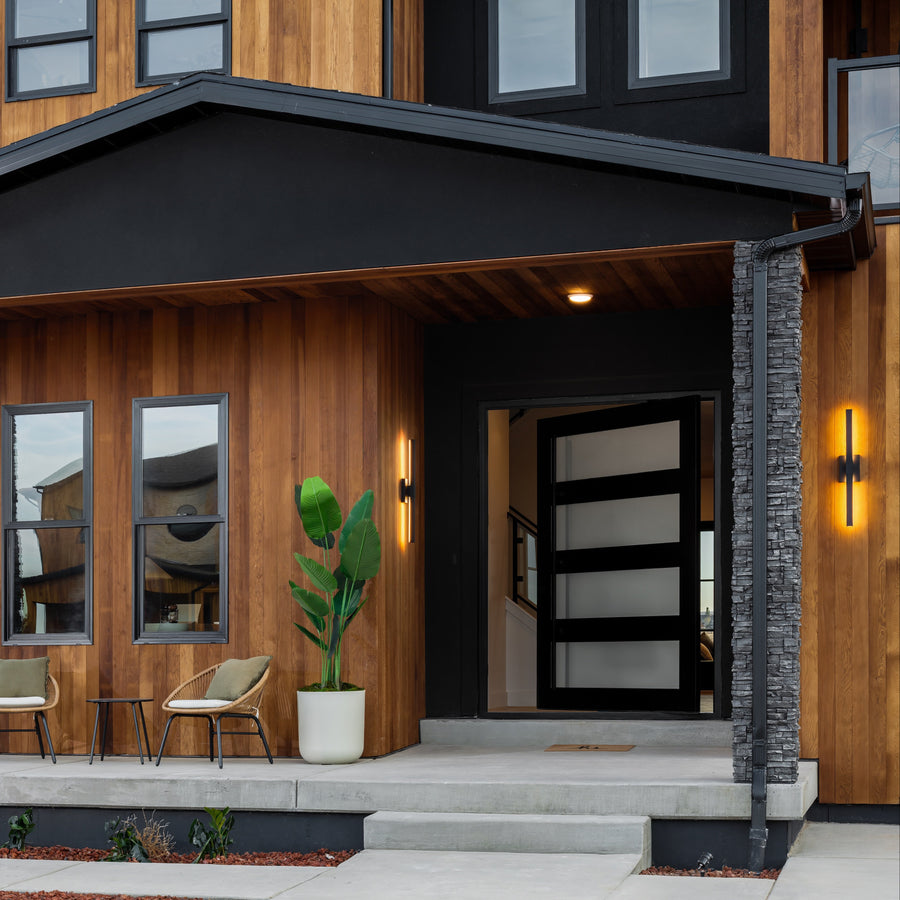
Contemporary: Matte black creates bold contrast in Northern Virginia's contemporary market and Arlington's urban developments.
Coastal: Lighter finishes and soft grays complement Tidewater homes. Marine-grade coatings resist Chesapeake salt air.
Mountain: Dark bronze and earthy tones complement Blue Ridge stone and timber architecture.
PINKYS uses an automotive-grade paint system that resists Virginia's four-season assault — from coastal salt air to mountain UV to Piedmont humidity.
Why Virginia Homeowners Choose Steel
In a state where the Northern Virginia median exceeds $650,000 — and surpasses $5 million in McLean and Great Falls — a steel door investment delivers outsized returns. Steel entry doors return 188 to 216 percent ROI, and in the capital region's competitive luxury market, premium entries are expected.
Steel eliminates Virginia's maintenance cycle — no humidity-driven rot, no freeze-thaw cracking, no termite damage, no hurricane vulnerability. Permanent performance from the coast to the mountains.
Transform Your Virginia Home
Whether you're upgrading in McLean, restoring Colonial in Alexandria, building coastal in Virginia Beach, or mountain-proofing near Charlottesville, PINKYS has steel and iron doors engineered for Virginia.
We ship nationwide with fast delivery — our doors handle everything from Chesapeake hurricanes to Blue Ridge blizzards.
Contact Our Team or call 844-843-6677


