
Installation Guide | Pantry Doors
Pantry Doors | Installation Guide
Professional step-by-step installation instructions
Table of Contents
1. Before Starting
- Inspect your door immediately after delivery.
- Report damages (scratches, glass breakage, water damage, etc.) to Pinky’s Iron Doors Customer Service within 3 days. Do not install if Damage is found. Once the door is installed it can not be returned.
- Keep all original packaging for potential returns.
Important!
Failure to follow installation instructions may result in door misalignment, water intrusion, or voided warranty.
2. Storage & Handling
- Handle doors with at least 2 people.
- Store in a dry, covered area with fabric padding.
- Remove packaging immediately; do not store with shipping materials.
- Keep doors dry and wipe away moisture promptly.
- Never leave doors uncovered on an active job site before installation.
Careful not to scratch
Use scissors only when opening the packaging for your doors, windows, and frames. Do not use razor blades or knives, as any type of blade can scratch and damage the paint.
Refer to our Receiving Instructions for full unpacking guidelines.
3. Tools Required
Fasteners & Anchoring
Interior doors are not supplied with mounting screws, as installation requirements vary depending on the mounting surface. Ensure that the appropriate fastener is selected for the specific material you are installing into.
Tools Required: Only use scissors when opening the packaging for your doors, windows, and frames. Do not use razor blades or knives, as sharp blades can scratch or damage the painted finish. Metal has flex which can only be found by using a small 12-inch level and is the only correct level that must be used to accurately read the designated leveling points.
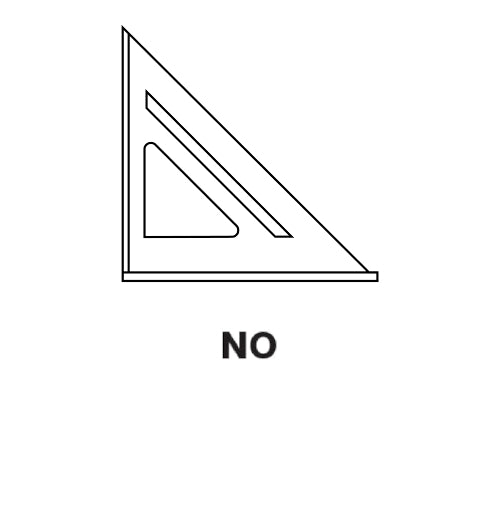
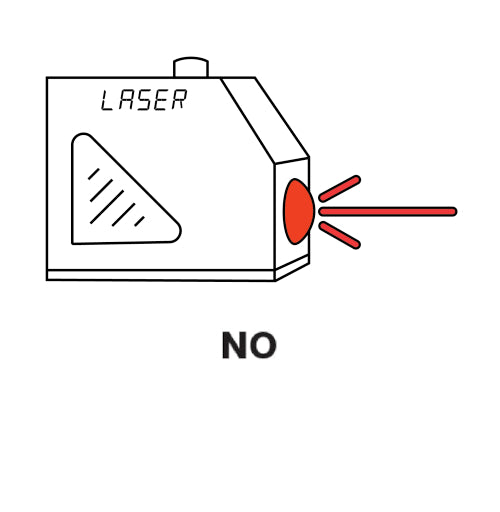
Tools Not to Use: Avoid razor blades, knives, levels longer then 12 inches, laser levels, straight edges, and wood shims. At every leveling point, use two opposing plastic shims for proper adjustment. Wood shims will crack and compress and are not suitable for our doors. Straight edges and rulers are not accurate tools of measurement for our doors since every door is hand forged and made without straight lines. Laser levels, and long levels will not find the flex in our doors during installation.
Installation Prep: Sill pans must be installed prior to frame installation to protect against water intrusion. Do not seal sill pans for proper drainage. Must only use 100% silicone based sealant.
Tools and Tips



4. Rough Opening Requirements
- Rough opening should be 1 inch wider and taller at minimum than the frame.
- Ensure the opening is plumb, level, and square on every side.
- Make sure there’s solid wood or metal backing where the frame screws will go.
- If you’re installing over finished flooring, account for floor height differences that secure flush bolts on double doors.
5. Frame Installation
Important!
- Before you start installing your door frame, make sure your rough opening is plumb, level, and square. Use plastic shims at the leveling points.
- Use only a 12-inch level when installing. Laser levels and long levels are not sufficient.
- Always use plastic shims; wood shims compress over time.
- If using spray foam, it must be low-expanding and applied by a professional.
- Only blue vinyl painter's tape on doors/frames.
- Replace tape regularly if exposed to sunlight.
- If duct tape is needed, apply blue painter's tape first.
Using a 12-Inch Level as your Baseline
Use a 12-inch level as your primary reference when installing the frame. Once the frame is plumb, level, and square, the 12-inch level becomes your baseline. Due to normal manufacturing tolerances, rough opening variations, and wall conditions, minor shimming adjustments may still be required to achieve an even reveal and a perfectly flush door. Make small shim adjustments as needed while checking the door's operation, gaps, and alignment until the door opens, closes, and latches smoothly.
Serial Numbers
Match the door and frame using the same serial number to avoid alignment issues.


Confirm the rough opening is 1 inch wider and taller minimum than the steel frame on all sides. Use a 12-inch level to verify the opening is plumb, level, and square at all hinge and strike points. Ensure there is solid wood or steel backing where mounting screws will penetrate.
Set the steel frame into the opening without fasteners. Confirm hinge side is flush, swing direction is correct, and reveal gaps are even. Mark all factory mounting hole locations on the rough opening for reference.
Using a small cobalt or high-speed steel bit, drill through the front wall or side wall (depending on mounting method) at each mounting point. Keep the drill perpendicular to the frame to ensure straight fastener alignment.
Switch to a larger diameter bit or step bit and drill a hole in the front wall of the tube. This allows the screw head to pass through and seat against the backside of the frame.
Return to the original bit size and continue drilling through the back wall of the tube steel and into the rough opening structure to create a clean pass-through.
Install plastic shims at all leveling points. Insert #12 construction screws through the counter-bored holes into the structure. Start at the hinge side, then strike side, then top. Do not fully tighten until final alignment is confirmed.
Recheck plumb, level, and reveals. Torque screws snug but not over-tight. Use the provided push caps to cover the holes.
Important Troubleshooting
- If the bit walks, re-center punch and restart.
- If steel discolors blue, slow drill speed immediately.
- If screw sits proud, deepen counter bore in 1/32" increments.
- If frame flexes, you have over-counterbored and weakened the tube.
6. Door Panel Installation
Important!
Doors must be on the frame during the leveling process because the weight of the door can change how the frame is sitting inside the opening. This step must be done before the walls are finished with dry wall to ensure the doors open and close properly without any issues.
Each hinge on our doors comes with a single brass washer. These washers are not meant to be used as shims.
To fix a door that isn’t closing smoothly:
- Recheck the frame’s level at each point using a 12-inch level.
- Use plastic shims to adjust where needed.
Apply petroleum grease to the bullet hinges, carefully hang the door, cycle it a few times, then recheck all leveling points.


Important!
The brass grease attachment at the top of the hinge is called a zerk fitting and is designed to look this way without the use of a cap.
7. Hardware & Finishing
Finish the Installation
Once the frame is fully mounted, cover the visible screw holes for a clean look. Some models include plastic push caps to cover these holes — if your door comes with them, simply snap them into place. Solid steel frames will not use caps. For colored frames, simply dab the screw head with matching paint after all adjustments have been made if you prefer the frame screws to match the color.
8. Care & Maintenance
Correct Method
Regular maintenance keeps doors functioning perfectly. Clean monthly with Pinkys Iron door spray and lubricate hinges yearly with any petroleum grease.
- Vacuum dust/debris after installation.
- Protect doors with blue vinyl painter’s tape only.
- After construction, remove tape and wipe down with Pinkys Iron + Steel Clean Protect Spray
- In coastal environments, salt air can accelerate corrosion on metal products. Regular maintenance and more frequent use of Pinkys Iron + Steel Clean Protect spray is strongly recommended and may be necessary in those conditions.
9. Frequently Asked Questions
- Long levels and laser levels cannot measure natural metal flex and will give inaccurate readings during installation.
- Wood shims compress over time and can cause the door to fall out of alignment.
- High-expansion foam applies excessive pressure, which can bow the frame inward and lead to rubbing or misalignment.
- Leaving the door without locks exposes the interior to moisture, which can cause rust, permanent damage, and void the warranty.
- A tight opening forces the frame inward, causing alignment issues and rubbing.
- Always maintain 1–2 inches of clearance to allow for material expansion and contraction.
10. Troubleshooting
Marks of the Maker
Our doors are designed with real, solid metal craftsmanship. Because we apply high heat during welding, the metal shifts slightly during the cooling process and contracts, which means you might notice tiny subtle variations rather than straight lines. This is normal and part of the handcrafting character of our doors.
We call this Marks of the Maker as this is a hand forged process and none of our products are extracted out of a extrusion type of machine. So when you see slight, gentle curvature or variation, rest assured it’s built into the process.
Hinge Is Not a Leveling Reference
Do not use a level or straight edge on the hinge to check door alignment. The hinge is not a measuring point for our doors. Hinges act as pivot points and are not designed to be perfectly straight.
Because of this, placing a level or straight edge on the hinge will always give a false reading. To confirm proper alignment, check the frame is level using a 12 inch level and has the correct clearance gaps around the frame. Adjust shims as needed at the (X) points listed above.
Door Rubbing or Lock Misalignment
If the door rubs, or locks do not align, check frame leveling with a 12-inch level, shim points, and clearance gaps (.5 inches or larger). Adjust hardware and shims as needed. If the frame is reading level and the door is rubbing then the rough opening is too tight and you need to create more separation between the frame and your rough opening.
Correct Method
Always use a 12-inch level at designated points to account for natural metal flex.


