South Carolina packs every door-destroying condition into a state small enough to drive across in four hours. Charleston's subtropical humidity hovers above 80 percent for months while hurricane-force winds hit the coast every few years. Hilton Head's salt air corrodes unprotected metal within sight of the shore. The Midlands bake past 100 degrees in summer and freeze in winter. And across the entire state, termites are so prevalent that the pest control industry considers South Carolina one of the highest-risk states in the nation. Your front door has to survive everything — including the bugs.
Steel and iron doors aren't just a design statement for South Carolina homes — they're the engineering solution for a state where wood rots in the humidity, swells until it won't open, and gets eaten by Formosan subterranean termites that cause billions in damage across the Southeast. Add Charleston's strict architectural preservation standards, coastal hurricane codes, and a luxury market where properties south of Broad sell for $3 to $15 million, and steel becomes the material that delivers both the performance and the character South Carolina architecture demands.
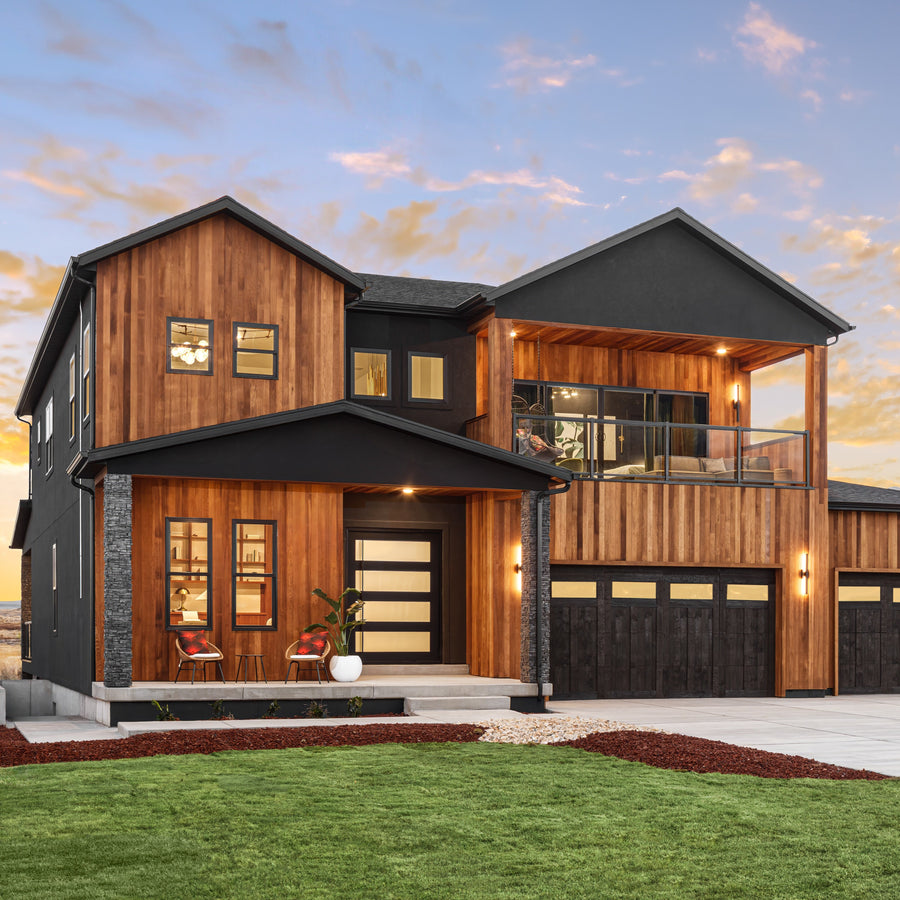
What South Carolina's Climate Demands From Your Doors
The Lowcountry: Hurricanes, Humidity, and Salt Air
Hurricane Hugo in 1989 hit Charleston with 135 mph winds and a 20-foot storm surge that devastated the coast from Folly Beach to McClellanville. Hurricane Matthew in 2016 and Hurricane Dorian in 2019 reinforced the threat. Between storms, Charleston and the Lowcountry experience year-round humidity above 75 percent, salt air that penetrates miles inland, and a subtropical climate where wood surfaces never fully dry. Mold colonizes organic materials within weeks of exposure. Steel doors with powder-coated finishes, marine-grade hardware, and impact-rated glazing survive this environment where wood doors begin deteriorating the day they're installed.
Hilton Head and the Sea Islands: Coastal Corrosion
Hilton Head Island, Kiawah Island, and the Sea Islands combine salt spray, sustained humidity, and direct hurricane exposure into perhaps the most corrosive residential environment on the East Coast. Salt air corrodes unprotected metal within months, and the barrier island setting means wind-driven salt reaches every exterior surface. The luxury market on these islands — where Kiawah oceanfront homes routinely sell for $5 to $20 million — demands materials that maintain their appearance and function in this environment. Marine-grade powder-coated steel is engineered for exactly this kind of sustained coastal exposure.
The Midlands and Upstate: Heat, Ice, and Thermal Cycling
Columbia — one of the hottest cities in the Southeast — regularly exceeds 100 degrees with humidity that pushes heat indices above 115. The Upstate around Greenville and Spartanburg adds winter ice storms and occasional snow to the equation. The annual temperature range from subfreezing winter mornings to 100-plus summer afternoons creates thermal cycling that warps wood frames and cracks rigid seals within a few seasons. Steel doors with thermal break technology handle this full range without dimensional change.
South Carolina Building Codes: Why Steel Has the Advantage
Coastal Wind Requirements
South Carolina's building code requires exterior doors in coastal regions to resist design wind speeds of 130 to 150 mph, with impact resistance required in windborne debris regions. Post-Hugo code revisions significantly strengthened requirements for the Charleston metro and barrier islands. Steel doors with impact-rated glazing and welded frames meet these requirements where wood and fiberglass fail under hurricane-force wind pressures.
Energy Code
South Carolina follows the 2015 IECC, with doors required to meet U-factor and SHGC requirements across climate zones 3 and 4. Steel doors with thermal breaks and low-E glazing meet all requirements while reducing the air conditioning costs that dominate South Carolina utility bills 7 to 9 months per year.
Historic Preservation Compatibility
Charleston's Board of Architectural Review (BAR) governs all exterior changes in the historic district — one of the largest and most strictly preserved in America. Iron doors with period-appropriate detailing meet BAR guidelines while delivering the hurricane resistance, termite immunity, and energy performance that historic wood doors cannot. This combination of historical authenticity and modern performance makes iron doors the ideal solution for Charleston's preservation market.
Tap any door to explore sizes, configurations, and pricing
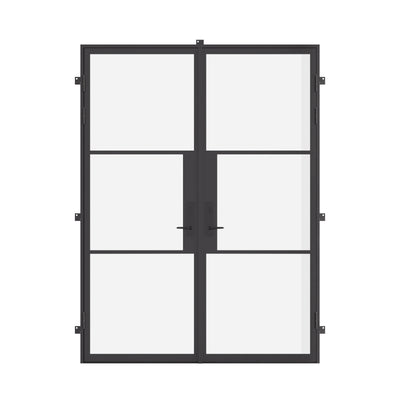
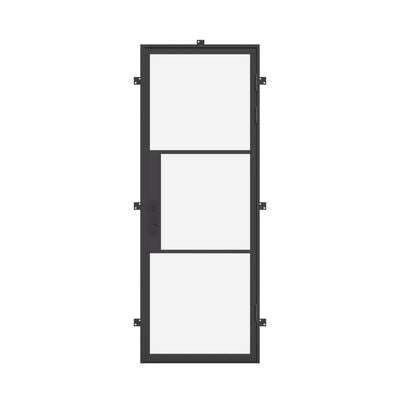
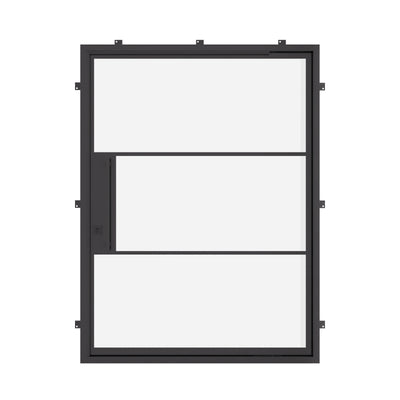
Steel Door Styles South Carolina Homeowners Love
Air 4 and Air 5 Single and Double Doors — The Air 4 Double Flat defines contemporary luxury in Kiawah's oceanfront homes, Daniel Island's River District, and Greenville's Augusta Road corridor. The Air 4 Single Flat fits the coastal contemporary builds along Hilton Head's Calibogue Sound and the modern farmhouses spreading across the Upstate. Steel frames resist the humidity and salt air that destroy wood entries across the Lowcountry.
Pivot Doors — The Air 4 Pivot and Knox Pivot create the grand entries that Kiawah's Cassique and River Course estates, Charleston's South of Broad mansions, and Hilton Head's Palmetto Bluff demand. Steel pivot doors maintain operation through South Carolina's relentless humidity without the swelling that jams wood pivots by their first summer.
Iron Doors — Wrought iron is native to Charleston architecture — the city's ornamental iron gates, balconies, and railings are among its most celebrated features. The Air 4 Single Full Arch and Air 4 Double Full Arch honor this ironwork tradition while meeting BAR guidelines in the historic district and providing hurricane resistance that original wooden doors never offered.
French Doors — The piazza — Charleston's signature covered porch — makes French doors essential to Lowcountry architecture. Steel French doors open onto piazzas, screened porches, and marsh-view decks while providing hurricane resistance and thermal performance that wood French doors cannot deliver in this climate.
Bi-Fold and Sliding Doors — The Air 4 Bi-Fold opens living spaces onto the outdoor rooms that define Lowcountry living — marsh-view patios, pool decks, and covered outdoor kitchens. Steel bi-folds maintain hurricane ratings while creating the seamless indoor-outdoor transitions the coastal lifestyle demands.
South Carolina's Architectural Landscape: City by City
Charleston: Architectural Crown of the South
Charleston's historic district preserves one of America's finest collections of 18th and 19th-century architecture — the iconic "single house" with its side piazza, Georgian mansions South of Broad, Rainbow Row's pastel Italianate facades, and the ornamental ironwork that rivals New Orleans. Properties South of Broad routinely sell for $3 to $15 million. The BAR's strict oversight ensures authenticity, making iron doors with period-appropriate detailing the natural choice. Daniel Island, Mount Pleasant, and the new luxury developments on the peninsula's upper reaches serve the contemporary market with steel and glass entries.
Kiawah and the Sea Islands: Coastal Luxury
Kiawah Island — home to The Ocean Course, host of the 2021 PGA Championship — is one of the Southeast's most exclusive communities, with oceanfront homes selling for $5 to $20 million. The architecture blends Lowcountry vernacular with contemporary luxury, all elevated on pilings and designed for hurricane resilience. Seabrook Island, Dewees Island, and Sullivan's Island extend the barrier island luxury market. Every door on these islands needs hurricane ratings, salt air resistance, and the aesthetic quality that premium coastal communities demand. Steel with marine-grade finishes delivers all three.
Hilton Head and Bluffton: Resort Living
Hilton Head's gated plantation communities — Sea Pines, Palmetto Dunes, and the ultra-exclusive Palmetto Bluff in neighboring Bluffton — combine resort amenities with luxury residential living. Architecture ranges from traditional Lowcountry raised cottages to contemporary coastal homes, all requiring the corrosion resistance and hurricane performance that the barrier island environment demands.
Greenville: Upstate Renaissance
Greenville's downtown renaissance has made it one of the South's most celebrated small cities. The Augusta Road corridor and North Main Hill neighborhoods showcase $1 to $3 million homes in traditional and transitional styles. Cleveland Park and the Paris Mountain area offer luxury in a more natural setting. The Upstate's growing tech and manufacturing economy drives demand for contemporary entries that reflect the region's sophisticated, forward-looking identity.
Choosing the Right Color for South Carolina Homes
Charleston Historic: Wrought iron black is historically authentic and expected in the historic district — matching the existing gates, balconies, and railings that define the city's character. Dark bronze works for warmer-toned facades. The door must complement, not compete with, Charleston's signature ironwork.
Lowcountry Coastal: Lighter finishes, soft grays, and weathered tones complement the raised cottages and marsh-view homes without competing with the Lowcountry's subtle natural palette. Marine-grade coatings in these lighter shades resist the salt air that's constant on the barrier islands.
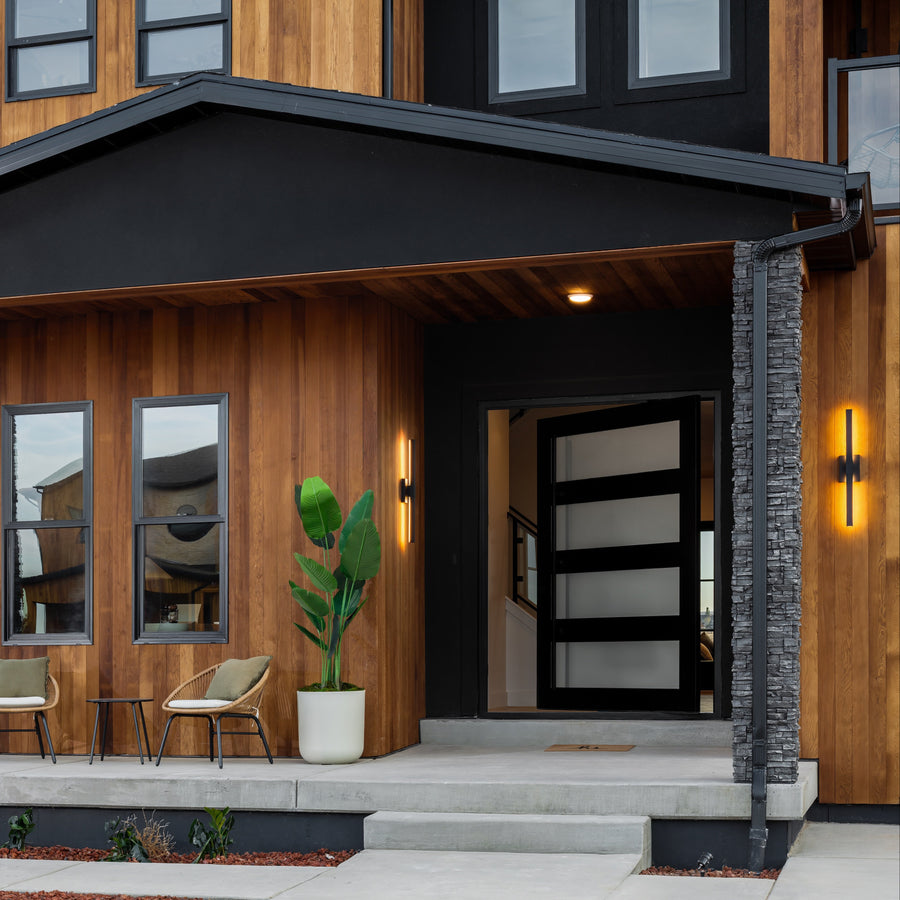
Contemporary: Matte black creates bold contrast against lighter walls in the growing contemporary market from Daniel Island to Greenville. The door should make a deliberate architectural statement.
Traditional Southern: Dark bronze and deep earthy tones complement the brick, stone, and columned facades of traditional Southern architecture across the Midlands and Upstate.
PINKYS uses an automotive-grade paint system that can match any color specification. In South Carolina's salt air and humidity, our coatings resist the corrosion, mildew, and moisture-driven failure that destroy lesser finishes within a single Lowcountry year.
Why South Carolina Homeowners Choose Steel
In a state where Charleston's median home price exceeds $500,000 — and routinely surpasses $5 million South of Broad, $10 million on Kiawah, and $3 million at Palmetto Bluff — a steel door investment of $5,000 to $15,000 delivers outsized returns on curb appeal, hurricane protection, and termite immunity. Steel entry doors return 188 to 216 percent ROI, and in South Carolina's luxury coastal market, premium entries are the expectation.
Beyond resale, steel eliminates the maintenance cycle South Carolina inflicts on wood — no humidity-driven rot, no hurricane vulnerability, no termite damage, no mold. A steel door installed today outlasts the next three wood doors through decades of Lowcountry conditions.
Transform Your South Carolina Home
Whether you're restoring in Charleston's historic district, building oceanfront on Kiawah, upgrading at Palmetto Bluff, or modernizing in Greenville, PINKYS has steel and iron doors engineered for what South Carolina demands.
We ship nationwide with fast, reliable delivery — our doors handle everything from Lowcountry humidity to hurricane-force winds to the termites that make wood a temporary material.
Contact Our Team or call 844-843-6677