

Utah delivers extremes that most states can't match — and your front door has to handle all of them simultaneously. Salt Lake City's "Greatest Snow on Earth" drops 500-plus inches on the Wasatch Range, burying mountain homes under feet of powder while valley inversions trap pollution against door surfaces for weeks. Summer reverses the assault with temperatures above 105 in St. George and UV intensity 20 percent higher than sea level across most of the state. Add the alkaline dust, the seismic risk from the Wasatch Fault, and humidity that drops below 10 percent for weeks at a time, and Utah punishes doors harder than most homeowners realize.
Steel and iron doors aren't just a design upgrade for Utah homes — they're the material answer to a state where wood cracks and splits in the desert dryness, warps through 100-degree annual temperature ranges, and deteriorates from UV and dust exposure that's relentless above 4,000 feet. Add growing energy codes, the Wasatch Fault's earthquake threat, and a luxury market where Park City ski homes exceed $5 million and Salt Lake's Federal Heights commands over $2 million, and steel is the rational choice across every Utah climate zone.
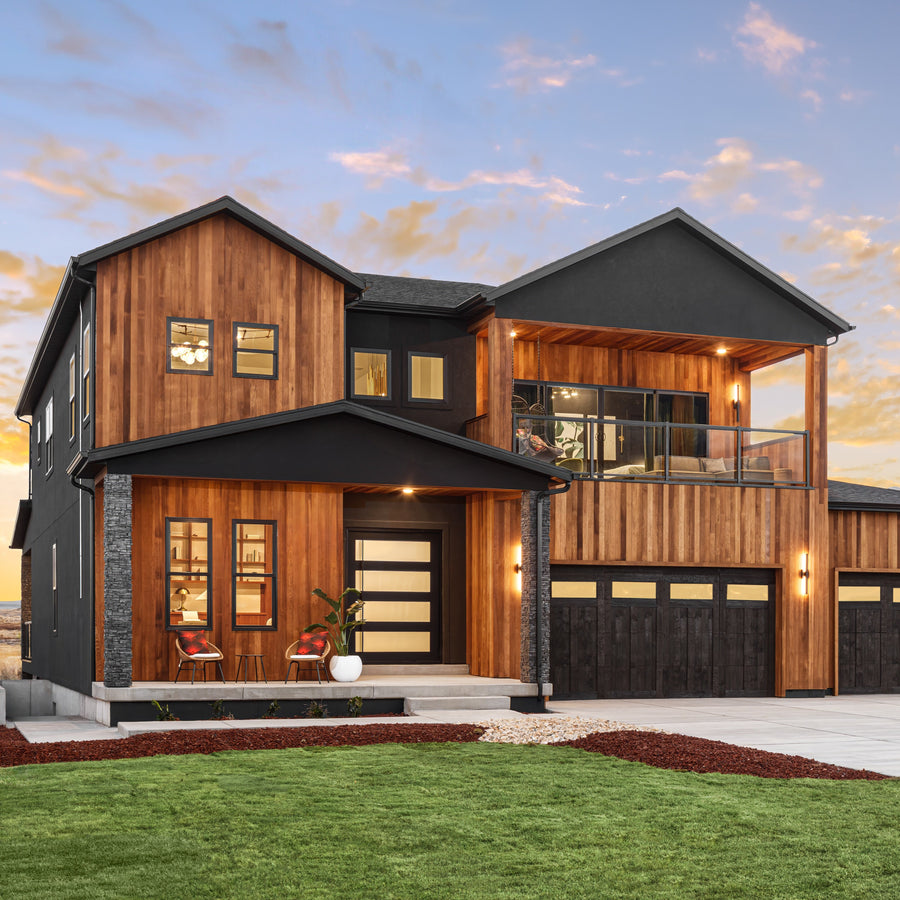
What Utah's Climate Demands From Your Doors
The Wasatch Front: Inversion, Snow, and Seismic Risk
Salt Lake City experiences temperature extremes from minus 20 winter lows to 107-degree summer highs — a 127-degree annual range. Winter inversions trap cold, polluted air in the valley for days to weeks, depositing fine particulate on every exterior surface. Then spring brings the Wasatch Fault threat — capable of a magnitude 7.0 earthquake that would affect 80 percent of Utah's population. Summer delivers sustained heat, UV at 4,200 feet, and humidity that drops below 15 percent. Steel doors handle the thermal extremes, resist particulate accumulation, and maintain seismic operability through the earthquake that geologists say isn't a matter of if, but when.
Park City and the Wasatch Mountains: Ski Country
Park City — host of the 2002 Winter Olympics and consistently ranked among America's top ski destinations — receives 350-plus inches of snow per year at resort elevation. Winter temperatures at 7,000 feet drop well below zero, and the temperature differential between a heated interior and a minus-20-degree exterior creates condensation on poorly insulated doors. UV at altitude is approximately 25 percent more intense than sea level, amplified by snow reflection. Steel with thermal breaks and insulating glass eliminates condensation while automotive-grade coatings resist the UV environment.
Southern Utah: Red Rock Heat
St. George hit 117 degrees in recent summers. The Dixie region experiences sustained heat from May through October, with UV intensity among the highest in the nation. Desert winds carry fine red sand that abrades finishes and infiltrates weatherstripping. Wood doors in southern Utah crack and split within a year as single-digit humidity pulls every trace of moisture from the grain. Steel with powder-coated finishes and polyurethane weatherstripping is engineered for this combination of heat, UV, and dust.
Utah Building Codes: Why Steel Has the Advantage
Energy Code
Utah follows the 2021 IECC, with glazed doors required to achieve U-factors of 0.30 or lower in climate zones 5 and 6 (covering most of the state). Southern Utah's zone 3B has slightly less restrictive requirements but demands low solar heat gain coefficients. Steel with thermal breaks meets all Utah zones.
Seismic Design
The Wasatch Front is Seismic Design Category D — reflecting the real threat of a major Wasatch Fault earthquake. Welded steel frames maintain structural integrity and operability after seismic events that would rack wood frames out of square.
Wildfire Codes
Utah's growing WUI development — from Park City's mountains to the foothills above the Wasatch Front — has driven adoption of fire-resistant building requirements. Steel is inherently noncombustible and exceeds WUI fire ratings.
Tap any door to explore sizes, configurations, and pricing
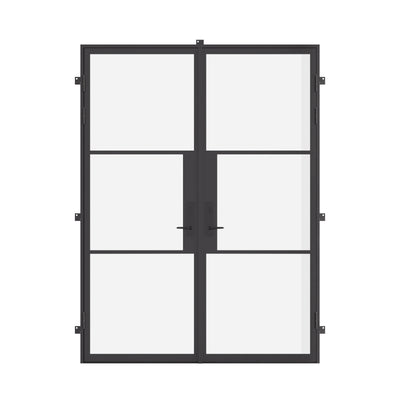
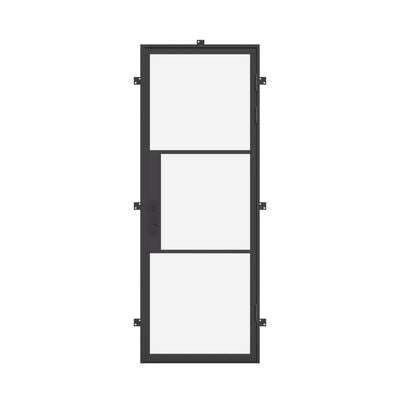
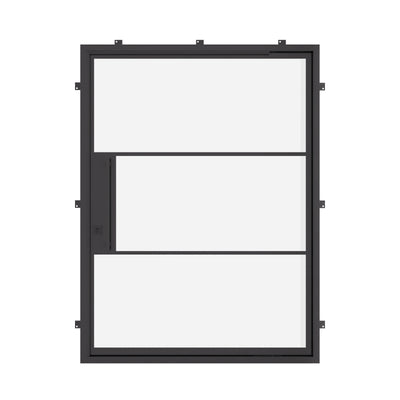
Steel Door Styles Utah Homeowners Love
Air 4 and Air 5 Single and Double Doors — The Air 4 Double Flat defines luxury in Park City's Deer Valley, Salt Lake's Federal Heights, and St. George's Entrada. The Air 4 Single Flat fits the modern homes of Salt Lake's Sugar House and the Avenues district. Maximum glass frames Wasatch views.
Pivot Doors — The Air 4 Pivot and Knox Pivot create the grand mountain entries Park City's $5 to $20 million properties demand.
Iron Doors — The Air 4 Single Full Arch and Air 4 Double Full Arch complement the Southwestern and Mediterranean styles popular in southern Utah and Salt Lake's historic districts.
French Doors — Steel French doors open onto mountain decks, red rock patios, and the outdoor living spaces Utah's 300 days of sunshine invite.
Bi-Fold and Sliding Doors — The Air 4 Bi-Fold opens ski homes to mountain terraces and southern Utah homes to red rock views.
Utah's Architectural Landscape: City by City
Park City: Mountain Luxury
Park City's transformation from mining town to world-class resort has driven luxury development from $1 million to $20 million-plus. Deer Valley's ski-in/ski-out estates, The Colony's hillside compounds, and Promontory's ranch-style luxury showcase mountain contemporary architecture at its finest — massive timber, native stone, and walls of glass positioned to capture Wasatch views. Steel pivot doors and Air 4 entries are the standard at this tier.
Salt Lake City: Urban Sophistication
Federal Heights and the upper Avenues offer $1 to $4 million homes with valley and mountain views. The Harvard-Yale neighborhood and Sugar House district showcase Craftsman and mid-century homes. The revitalized downtown and 9th & 9th district drive contemporary urban development. Salt Lake's architectural range from Victorian to contemporary demands both iron doors for the historic market and steel-and-glass entries for the modern tier.
St. George and Southern Utah: Red Rock Living
St. George's luxury communities — Entrada, Stone Cliff, and The Ledges — showcase desert contemporary and Southwestern architecture designed around red rock views and year-round outdoor living. Homes range from $500,000 to $3 million. The extreme heat and UV demand materials engineered for punishment — steel doors with desert-grade coatings are the practical choice.
Choosing the Right Color for Utah Homes
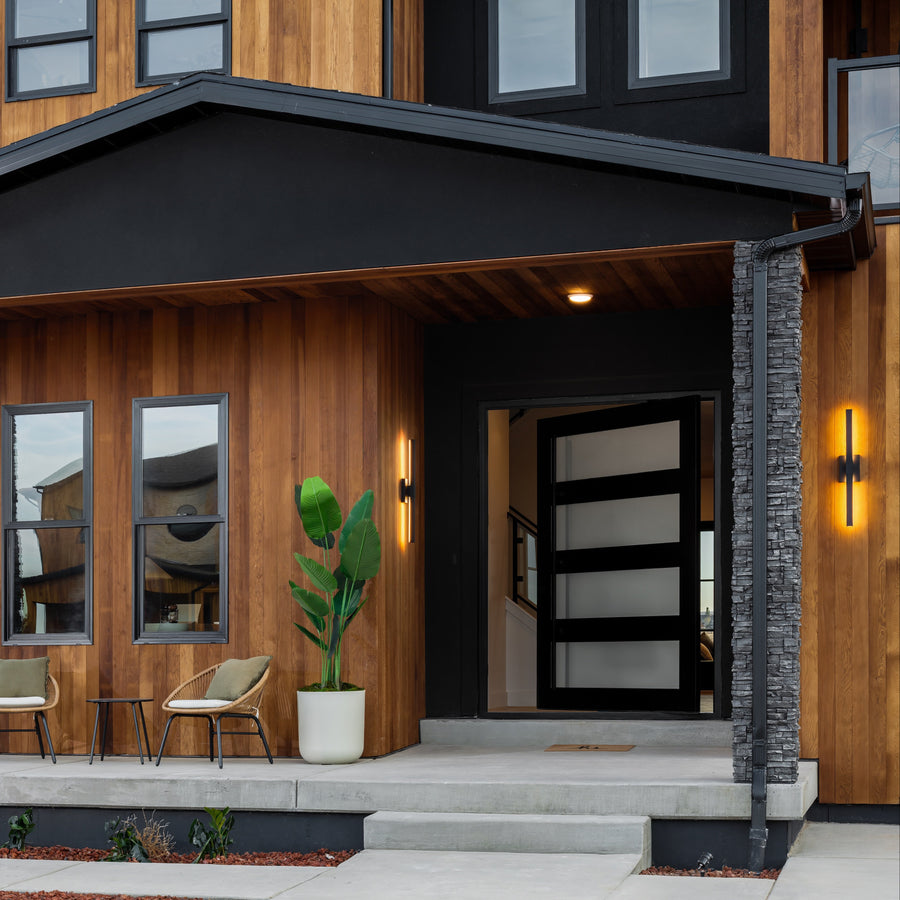
Mountain Contemporary: Matte black creates bold contrast against timber, stone, and the mountain palette. The standard for Park City and Wasatch luxury.
Mountain Lodge: Dark bronze and weathered iron complement heavy timber and native stone. Deep warm tones blend with the mountain forest landscape.
Desert Southwestern: Warm bronze, iron oxide, and sandstone finishes complement red rock landscape and stucco architecture. Earth tones that honor the desert rather than compete with it.
Craftsman and Victorian: Dark bronze and earthy tones complement Salt Lake's historic neighborhoods.
PINKYS uses automotive-grade coatings that resist Utah's altitude UV, desert heat, and mountain freeze-thaw cycles.
Why Utah Homeowners Choose Steel
In a state where Park City's median exceeds $1.5 million and Salt Lake's luxury tier surpasses $3 million — steel delivers outsized impact. Steel eliminates desert cracking, mountain condensation, and the UV-driven maintenance cycle Utah inflicts on wood. Permanent performance from red rock to snowcap.
Transform Your Utah Home
Whether you're building ski luxury in Park City, upgrading in Salt Lake's Federal Heights, or desert-proofing in St. George, PINKYS has steel and iron doors engineered for Utah.
We ship nationwide — our doors handle everything from 500 inches of Wasatch snow to 117-degree St. George heat.
Contact Our Team or call 844-843-6677


